
Reviewed · SALALAH TOURS
East Salalah Tour by VisitSalalah
Salalah’s eastern side rewards curious detours. This four-hour VisitSalalah outing links Taqa’s old town, Wadi Darbat, and the UNESCO-listed Sumhuram area in a private 4×4, with an Omani English-speaking guide and hotel, airport, or seaport pickup. I like the mix of coastal history and mountain scenery, and I like having a local guide who can explain Dhofari culture rather than simply point at the views.
The main caution is the timing. The tour is advertised as four hours, but one itinerary detail describes a guided visit lasting eight hours, and the number of listed stops could make a four-hour schedule feel rushed. Entrance fees are also extra, and one traveler found the guide’s English difficult to follow, although another praised Mohammed’s perfect English and regional knowledge.
In This Review
- Five things to know before booking
- Why eastern Salalah deserves a half-day
- Starting with Ain Razat’s springs
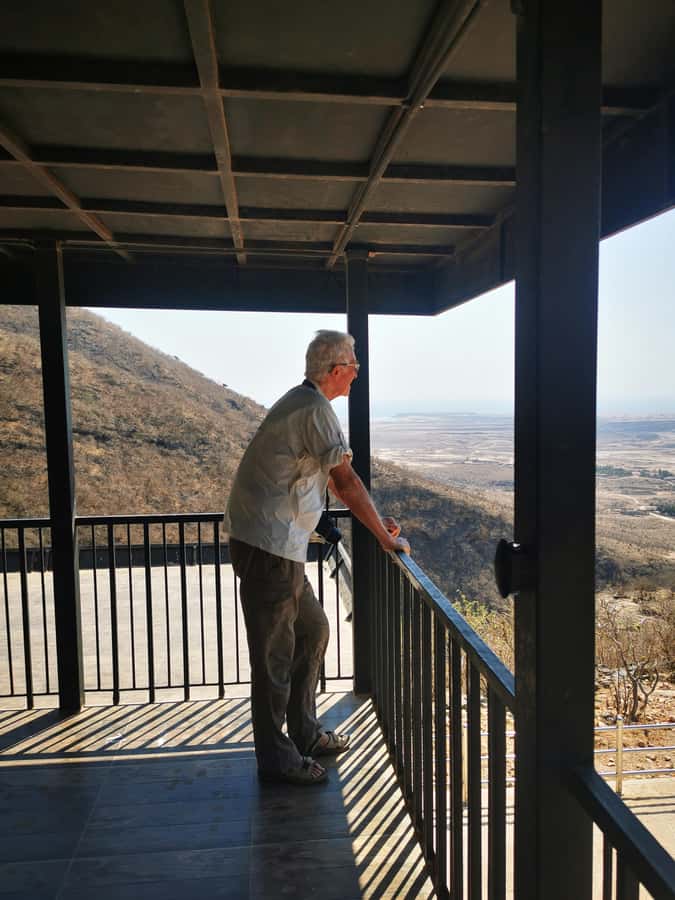
- Taqa’s old village and coastal views
- Wadi Darbat, camels, caves, and seasonal water
- The sink hole, baobab trees, and antigravity stop
- Sumhuram and the old frankincense port
- The guide can shape the whole experience
- What the $160 price really covers
- Who should book this outing
- Should you book the East Salalah Tour?
- FAQ
- How long is the East Salalah Tour?
- What places are included on the route?
- Is hotel pickup included?
- How many people can join the tour?
- Is transport provided in a 4×4?
- Is an English-speaking guide included?
- Are entrance fees included?
- Is lunch included?
- What should I bring?
- Is the tour suitable for wheelchair users?
Five things to know before booking
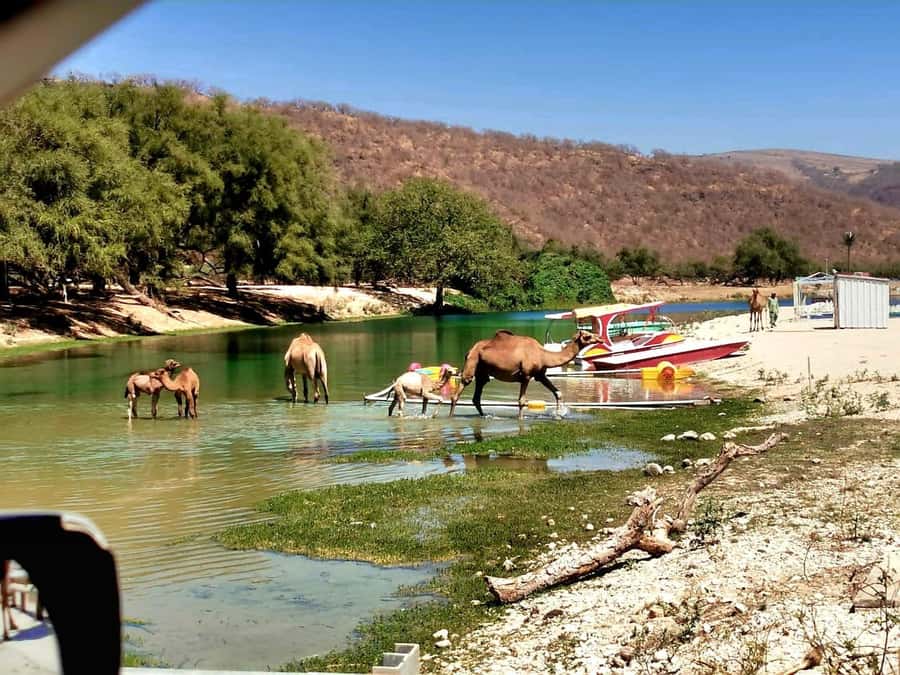
- Wadi Darbat changes with the season: During Khareef, mountain water can produce waterfalls, lakes, and thick green growth. Outside the monsoon, the setting remains scenic, but the water display may be far less dramatic.
- You travel in a private 4×4: This matters on rough, inclined ground and makes the trip more flexible than a standard coach outing.
- Taqa has optional paid sights: Taqa Castle costs OMR 3, Koofan Heritage House costs OMR 1, and Burj Al Askar costs OMR 1 if you choose to enter.
- Sumhuram connects scenery with trade history: The ruined port at Khor Rori was tied to the ancient frankincense trade and forms part of the UNESCO Land of Frankincense site.
- The group is small: Up to seven people are accepted, though a minibus may be arranged for a larger party.
- Mohammed receives especially strong praise: One German review called him polite, professional, and fluent in English, while an Italian review found the English less clear.
Why eastern Salalah deserves a half-day
Many people come to Dhofar for the Khareef clouds and green hills. That is only part of the story. East Salalah gives you a more rounded look at the region, moving from springs and coastal settlements to mountain valleys and an old frankincense port.
I like this route because it is not just a drive to one viewpoint. You get nature, old buildings, local culture, and archaeology in the same outing. The private 4×4 also suits Dhofar, where some sites involve uneven ground and roads leading into the hills.
At $160 per person, the tour is not a bargain in the narrow sense, especially if you are traveling alone. But the price includes private 4×4 transport, a licensed local Omani guide, pickup and return, snacks, and water. With several people sharing the vehicle, the value improves. You are paying for a compact guided experience rather than simply a transfer to Wadi Darbat.
The listed schedule needs clarification before you pay. The main information says four hours, while another section gives eight hours for the Wadi Darbat guided tour. Ask VisitSalalah for the exact departure and return times, and confirm which stops will fit into your day.
A few more trips and experiences worth a look
- East Salalah Mountain Safari, Wadi Darbat, Beach, Camels, Dunes
★ 5.0 · 206 reviews - Salalah: Wadi Darbat, Jabal Samhan, Baobab, Mirbat Sand Dune
★ 4.6 · 178 reviews - Mountain Safari Private Tour
★ 5.0 · 105 reviews
Starting with Ain Razat’s springs
The route description begins at Ain Razat, a collection of natural springs used as one of Salalah’s key water sources. Some springs flow year-round, while others appear mainly during Khareef, the southwest monsoon season.
This is a useful first stop because it gives you a clear sense of how water shapes Dhofar. Salalah’s seasonal greenery is not just a pretty effect. It is tied to mountain rain, springs, grazing, and local life. At Ain Razat, your guide can help connect the visible water to the wider geography of the region.
Do not expect every spring to look the same throughout the year. Your experience will depend heavily on the season, particularly if you are hoping to see abundant water and thick vegetation. Comfortable shoes are sensible because the tour involves walking over rough and sloping ground.
Taqa’s old village and coastal views
Taqa brings the tour down to the level of local history. This coastal town has an old village atmosphere and a 19th-century castle, giving you a chance to see traditional architecture alongside the modern settlement.
Taqa Castle is an optional paid visit, costing OMR 3. If you enjoy old buildings and want more than an outside look, it is likely worth adding. If your priority is scenery, photography, or keeping the tour within the shorter advertised time, you may prefer to see the area without entering.
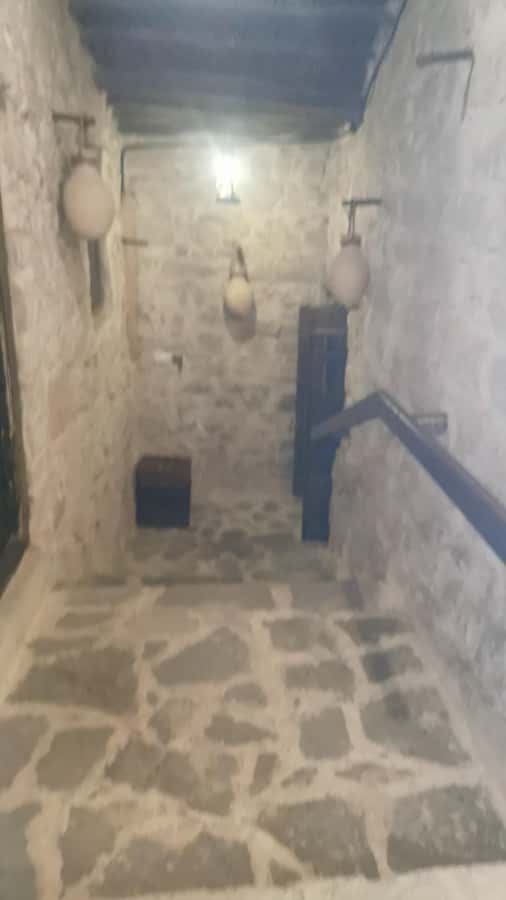
The route also includes the Koofan Heritage House, described as a 150-year-old Dhofari house. Its smaller entrance fee, OMR 1, makes it an inexpensive way to get a closer look at domestic architecture. This is the kind of stop I value because it shows how people lived, not only where rulers or merchants conducted business.
Burj Al Askar is another optional entry, also OMR 1. It sits above the cliff and looks toward the castle and coast. The name suggests its former military role, but the practical appeal today is the elevated view. If you choose only one paid Taqa stop, your decision comes down to priorities: castle interiors, household design, or a broad coastal outlook.
The three optional fees together total OMR 5. They are not included, so carry local currency or confirm the accepted payment method before setting out. Since the tour price is already $160, it is worth deciding in advance how much time and money you want to spend at Taqa.
Wadi Darbat, camels, caves, and seasonal water
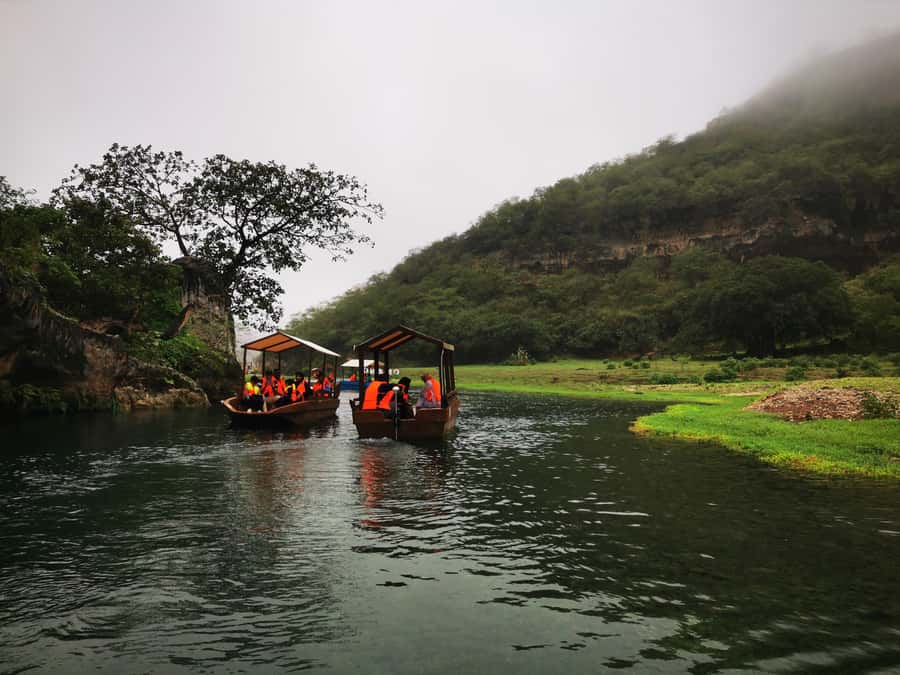
Wadi Darbat is the scenic center of the trip. The valley lies in the mountains above Khor Rori, just beyond the Taqa coast, and the setting includes lakes, caves, mountains, picnic areas, camels, and seasonal waterfalls.
During Khareef, water from the mountains replenishes the wadi. Waterfalls can drop from heights of about 30 meters, or roughly 100 feet, and cave chambers add another layer to the visit. This is the point where the timing of your Salalah trip matters most. In the monsoon season, you have the best chance of seeing flowing water and strong green growth. At other times, the valley can still offer attractive views and camels, but you should not assume the waterfalls will be running.
The camel sightings are a memorable part of the drive. One highly enthusiastic review described seeing literally hundreds of camels along the way. That kind of sight is a reminder that Wadi Darbat is not a polished theme park. It is a working natural setting connected to pastoral life.
You should also expect rough and inclined walking. The tour is not suitable for wheelchair users, and non-folding or electric wheelchairs are not allowed. Pregnant women and people over 95 are also listed as unsuitable for the activity. Wear shoes with a secure grip, loose comfortable clothing, a hat, and sunscreen.
The wadi has a large picnic area, but the tour includes only snacks and water. A local Omani lunch can be arranged for an extra OMR 5 per adult. That is a reasonable add-on if your timing stretches toward a full day, but confirm the actual schedule first because the advertised duration is unclear.
Something different, still within reach of Salalah:
- Sunset Desert Safari Salalah Tour in Rub Al Khali – Empty Quarter
★ 5.0 · 91 reviews - Salalah: Sunset Desert Safari – Rub Al Khali – Empty Quarter
★ 4.6 · 79 reviews - West Salalah Tour – Caribbean of Orient – Fazayah Beach with City
★ 5.0 · 74 reviews - Salalah City Tour: Discover the Best of Oman’s Coastal Gem
★ 4.8 · 58 reviews
The sink hole, baobab trees, and antigravity stop
The highlights also list a sink hole, baobab trees, and an antigravity site. These names suggest the route includes several short scenic or curiosity stops beyond the main attractions.
The available details do not give fixed visit lengths or explain the exact order of these stops. That matters because a four-hour tour cannot offer unlimited time at every location. If one of these is especially important to you, ask VisitSalalah if it is guaranteed on your departure date or included only when time and road conditions allow.
The baobab trees are particularly interesting because they feel different from the springs, wadis, and coastal sites. The antigravity site is likely to appeal to people who enjoy unusual roadside phenomena and a quick photo stop. Treat both as bonuses rather than the central reason to book.
Sumhuram and the old frankincense port
The final major stop is Khor Rori, where the ruins of Sumhuram sit beside the creek. Sumhuram was an ancient port linked to the frankincense and copper trade, and the archaeological park and museum are part of the UNESCO Land of Frankincense World Heritage Site.
This stop gives the scenery historical weight. Dhofar was not an isolated corner at the edge of Arabia. Its frankincense trade connected the region to long-distance commerce, and ports such as Sumhuram helped move valuable goods.
Museum and landmark entrance fees are not included. The information provided does not state the exact ticket price for Sumhuram, so ask your guide or VisitSalalah before arrival. You may prefer to spend your time around the ruins and creek if the visit is brief, or pay for entry if archaeology is a main interest.
I would not rush this stop. If the tour really lasts only four hours, the combination of Taqa, Wadi Darbat, and Sumhuram may leave little time for careful exploration. If the actual outing is closer to eight hours, the pace should feel more comfortable. This is the single most important point to settle before booking.
The guide can shape the whole experience
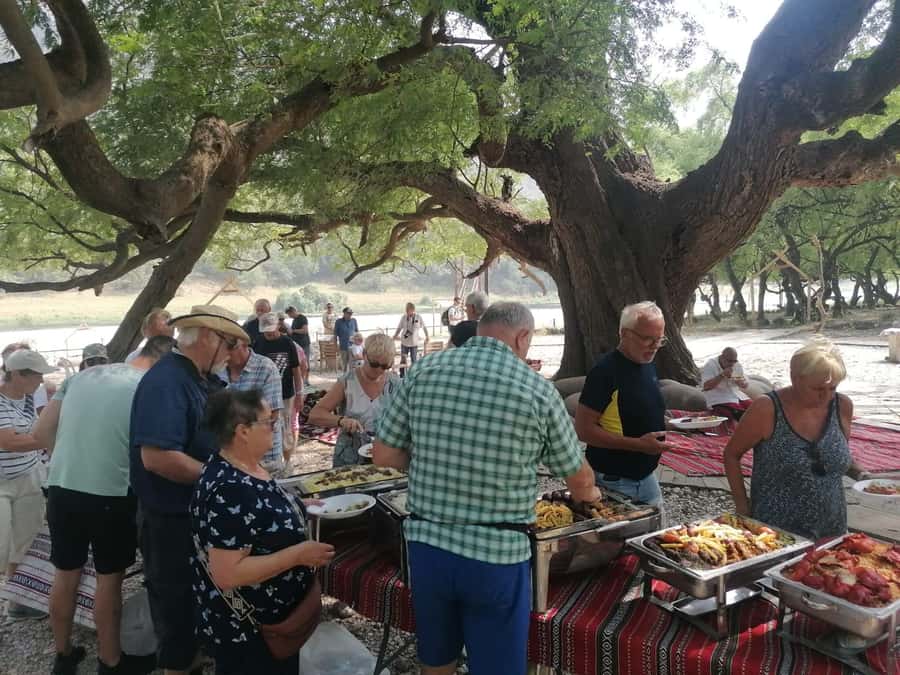
A local Omani guide is one of the strongest reasons to choose this tour instead of arranging transport alone. A guide can explain the role of Taqa, the seasonal water cycle, Dhofari homes, camel herding, and the frankincense trade in a way that signs and viewpoints cannot.
Mohammed is named in the feedback, and he receives very warm praise for being polite, professional, and well informed about his home region. One person specifically praised his English. Another found the English hard to understand, so communication may vary by guide, accent, group, or subject.
The tour offers English and Arabic. If clear spoken English is essential to your experience, contact VisitSalalah before booking and ask who will guide your date. A short message through WhatsApp, a direct call, or email is also useful for confirming the schedule and pickup.
The group limit of seven is a real advantage. A small group makes it easier to ask questions and may reduce waiting at viewpoints. If more than seven people book, a minibus may be arranged, which changes the feel of the outing and may be less suited to rougher access.
What the $160 price really covers
The $160 per-person price includes:
- Private 4×4 transport
- A licensed local Omani English-speaking guide
- Hotel, airport, and seaport pickup and return
- Snacks and water
It does not include entrance fees, lunch, or anything else not specifically listed. Taqa’s optional sights alone can add OMR 5 if you enter all three. Sumhuram and other museum or landmark fees are also separate.
I see the price as fair for a private or very small-group experience, especially if you are staying in Salalah without your own vehicle. It is less attractive if you only want a quick ride to Wadi Darbat or if you are traveling alone and mainly plan to photograph the scenery.
The inclusion of airport and seaport pickup gives the tour extra flexibility. Still, I would confirm that the pickup timing works with your arrival or departure. The operator asks you to wait in your hotel lobby 10 minutes before pickup and says communication will usually happen through WhatsApp, phone, or email.
Who should book this outing
I would recommend it to you if you want a broad introduction to eastern Dhofar in one day or half-day, depending on the confirmed schedule. It suits people who enjoy switching between nature, archaeology, old homes, viewpoints, and local stories.
It is also a good fit if you do not want to drive a 4×4 yourself. The rough and sloping ground, mountain roads, and scattered sites are easier to handle with a local driver.
You may want another option if you need wheelchair access, cannot walk on uneven ground, or dislike changing stops and a potentially fast pace. It may also disappoint you if your only goal is guaranteed waterfalls. Those depend on the season, with Khareef offering the strongest chance of flowing water.
Bring your passport or ID card, visa if required, hat, sunscreen, comfortable clothing, and water-friendly common sense. Large bags, jewelry, alcohol, drugs, fires, loud behavior, and military-style clothing are not allowed. Alcoholic drinks are also not allowed in the vehicle.
Should you book the East Salalah Tour?
Book it if you want one guided route that ties together Taqa’s old buildings, Wadi Darbat’s seasonal scenery, camel sightings, and the frankincense port of Sumhuram. The private 4×4, small group, included refreshments, and local guide make the cost easier to justify.
Before paying, ask two direct questions: Is the tour four hours or eight, and which of the listed stops are guaranteed? Also confirm the guide’s English and the entrance fees you might want to pay. If those details match your plans, this is a strong way to see Salalah’s eastern side without arranging several separate trips.
FAQ
How long is the East Salalah Tour?
The activity information gives a duration of four hours, but another schedule detail describes an eight-hour guided visit at Wadi Darbat. Confirm the exact duration with VisitSalalah before booking.
What places are included on the route?
The listed sights include Ain Razat, Taqa old village, Taqa Castle, Taqa viewpoints, Koofan Heritage House, Burj Al Askar, Wadi Darbat, a sink hole, baobab trees, an antigravity site, and Sumhuram at Khor Rori.
Is hotel pickup included?
Yes. Pickup and return are available from hotels in Salalah, and airport and seaport pickup can also be arranged.
How many people can join the tour?
The small group limit is seven participants. If more than seven people join, a minibus may be arranged.
Is transport provided in a 4×4?
Yes. Transport is provided by private 4×4 car.
Is an English-speaking guide included?
Yes. The tour includes a licensed local Omani guide, with English and Arabic offered. Mohammed is named as a guide in the available feedback.
Are entrance fees included?
No. Museum and landmark entrance fees are not included. Taqa Castle costs OMR 3, Koofan Heritage House costs OMR 1, and Burj Al Askar costs OMR 1. Entry to these Taqa sights is optional.
Is lunch included?
No. Snacks and water are included, but lunch is extra. A local Omani lunch can be arranged for OMR 5 per adult.
What should I bring?
Bring your passport or ID card, visa if required, a sun hat or hat, sunscreen, and comfortable clothing.
Is the tour suitable for wheelchair users?
No. The tour involves walking on rough and inclined ground. Non-folding and electric wheelchairs are not allowed, and the activity is not suitable for wheelchair users.
Just added around Salalah
- Salalah East Tour (Full Day Tour)★ 5.0 · 3 reviews
- Salalah East Adventure: Waterfalls, Mountain & Safari★ 5.0 · 3 reviews
- West Coast Mountains and Beaches (Fazayah beach + Shaat cliff)★ 5.0 · 3 reviews
- Salalah: Horse Riding by the Beach★ 4.4 · 3 reviews
- Half day Salalah City Tour with Souq Visit★ 5.0 · 3 reviews
- Salalah: Wadi Darbat, ,Teeq Cave – Baobou Trees Tour★ 4.3 · 3 reviews
- Jebel Safari – Tour della montagna★ 5.0 · 3 reviews
- Empty Quarter & Lost City from Salalah★ 5.0 · 3 reviews
Salalah Tours, compared.
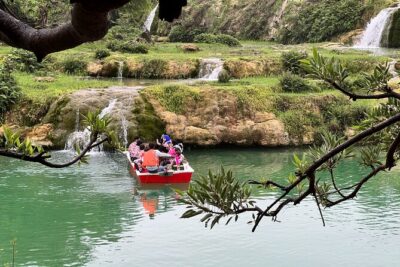
East Salalah Mountain Safari, Wadi Darbat, Beach, Camels, Dunes
Read our review →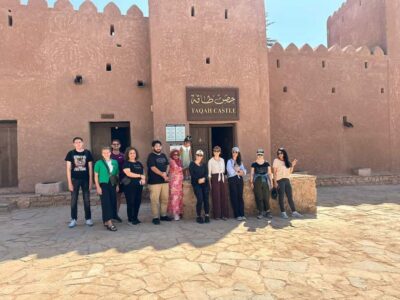
Wadi Darbat, Jabal Samhan, Baobab, Mirbat Sand Dune
Read our review →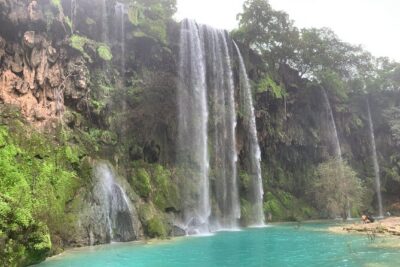
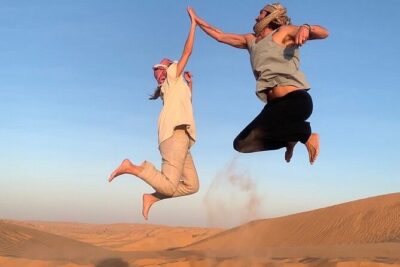
Sunset Desert Safari Salalah Tour in Rub Al Khali – Empty Quarter
Read our review →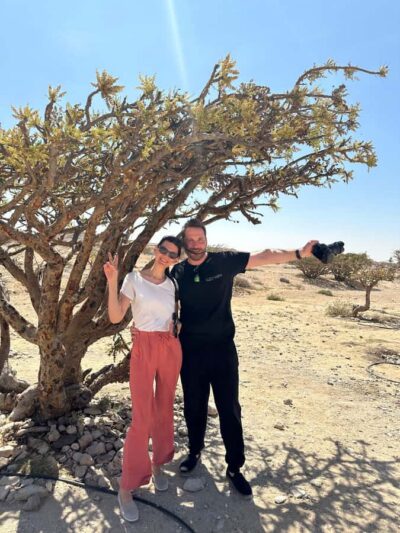
Sunset Desert Safari – Rub Al Khali – Empty Quarter
Read our review →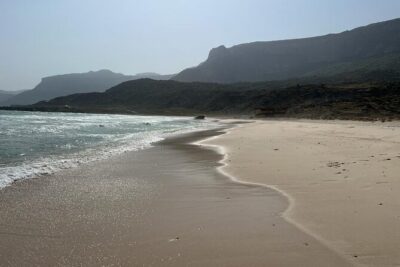
West Salalah Tour – Caribbean of Orient – Fazayah Beach with City
Read our review →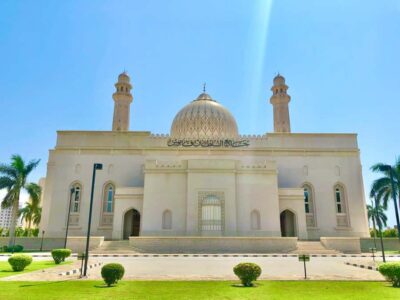
Salalah City Tour: Discover the Best of Oman’s Coastal Gem
Read our review →
Sunset desert safari tour in Salalah(private tour)
Read our review →Browse the lists this tour appears in