
Reviewed · WADI DARBAT TOURS
East Salalah Mountain Safari, Wadi Darbat, Beach, Camels, Dunes
Salalah’s best day may be east of town. This private safari packs beaches, mountain viewpoints, caves, wadis, old forts, desert sand, and coastal villages into six to eight hours. I like the private 4×4 transport, which saves you from arranging taxis or navigating unfamiliar mountain roads. I also like the route’s variety: one hour you are looking at a 19th-century castle, later you are watching clouds drift below Jabal Samhan, and the day can end among Mirbat’s sand dunes by the beach.
The main thing to consider is the season. Wadi Darbat’s waterfalls and pools can be much less impressive outside and after the khareef rainy period. Some stops are brief viewpoints rather than full visits, and one itinerary can cover a lot of ground. Still, guides such as Mohammed Ali, Salim, Hamed, Abo Salim, and Abdulaziz have been praised for being punctual, friendly, flexible, and helpful.
In This Review
- Key points to know before booking
- Why this east Salalah route works so well
- Taqah Beach and the first look at Dhofar’s coast
- Koofan Heritage House and Taqah Castle
- Wadi Darbat: the stop that changes with the season
- Tawi Ateer and Teeq Cave: a physical stop with a big payoff
- Jabal Samhan and the clouds below
- The anti-gravity point: good fun, limited science
- Wadi Hannah and the baobab trees
- Mirbat sand dunes and a beach sunset
- The Sumhuram question
- Vehicles, guides, and the pace of the day
- Best season and what to pack
- Should you book this safari?
- FAQ
- How long does the East Salalah Mountain Safari last?
- Is pickup included?
- What vehicle is used for the tour?
- Are meals included?
- Does the tour include boating at Wadi Darbat?
- Can I cancel for a full refund?
Key points to know before booking
- Nine very different stops in one day: Taqah Beach, Taqah Castle, Wadi Darbat, Tawi Ateer, Jabal Samhan, the anti-gravity point, Wadi Hannah, and Mirbat’s dunes are all part of the route.
- Private transport makes the distance worthwhile: Hotel, airport, or seaport pickup is included, with an air-conditioned 4×4 for groups of up to six.
- Water changes the character of Wadi Darbat: Seasonal waterfalls, boating, and fuller pools are most likely at the greener part of the year.
- The best views come from the mountains: Jabal Samhan rises above 4,000 feet and may offer cloud views below the summit.
- History is part of the day: Taqah Castle and the Koofan Heritage House add local culture to an otherwise nature-heavy outing.
- Check the exact route before departure: Sumhuram is promoted as one of the eastern Salalah highlights, but the detailed stop sequence provided here does not clearly assign it a visit time.
Why this east Salalah route works so well
Salalah is easy to underestimate. The city itself is only one piece of Dhofar. East of town, the coast, limestone mountains, wadis, old settlements, and camel country come together in a route that feels far more varied than a simple beach excursion.
I like this trip for visitors with limited time. If you have only a day or two in Salalah, the route gives you a strong first look at the region without asking you to rent a car. You get scenery, culture, and a little roadside fun in one outing.
The private format matters. Your group can ask for photo pauses or small changes, and several guides have been praised for making extra stops when time allowed. That flexibility is more useful here than on a tightly scheduled city tour because mountain views and waterfalls depend on weather and visibility.
At $45 per person, the price is good value if you are sharing the vehicle with several people and want a guide. It includes pickup, bottled water, an English and Arabic-speaking Omani guide, and private air-conditioned transport. Lunch is not included, but it can be arranged for an extra 5 Omani rial per person. Boat rides at Wadi Darbat cost extra as well.
More Safaris in Salalah
- Mountain Safari Private Tour
★ 5.0 · 105 reviews - Sunset Desert Safari Salalah Tour in Rub Al Khali – Empty Quarter
★ 5.0 · 91 reviews - Salalah: Sunset Desert Safari – Rub Al Khali – Empty Quarter
★ 4.6 · 79 reviews
Taqah Beach and the first look at Dhofar’s coast
The day begins at Taqah Beach, usually for about 20 minutes. This is not a long swim stop. Think of it as a quick introduction to the coast, with views back toward Taqah and a chance to watch birds.
That short pause can be useful after pickup. You get open sea air and a sense of the town’s position between coast and mountain. If you enjoy photography, the beach provides a different frame from the inland stops, especially with Taqah visible from the shore.
I would not book this tour mainly for beach time. The stop is brief, and the route soon turns toward cultural sites and the high country. Still, it helps the day begin at a relaxed pace.
Koofan Heritage House and Taqah Castle
Koofan Heritage House is a short stop of about 15 minutes. You can view the old house from outside, or pay to enter. There is also a souvenir shop, making this a simple place to see traditional architecture and browse for a small local keepsake.
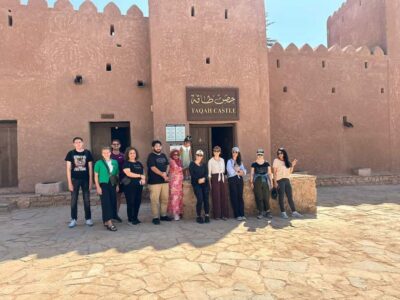
The main cultural visit is Taqah Castle, which takes about 30 minutes. Built in the 19th century, the castle was constructed from local Taqah stone, a limestone made largely from fossilized shells and coral. That detail gives the building a direct connection to the ground beneath it.
Inside, you can see a well, a roofless jail, a formal sitting room called a majlis, bedrooms, a kitchen, and storage rooms. Traditional weapons, jewelry, household objects, and colorful clothing help turn bare rooms into a picture of daily life in Dhofar.
I like this stop because it prevents the day from becoming a string of viewpoints. The castle gives your guide a chance to explain local homes, family life, and customs. Entrance fees for Koofan House and Burj Al Aksar are not included, and each costs 1 Omani rial per person when applicable.
Wadi Darbat: the stop that changes with the season
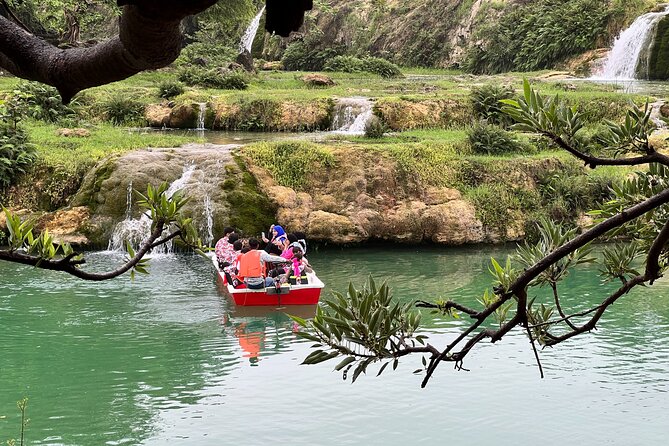
Wadi Darbat receives about an hour, and it is often the scenic centerpiece of the day. The valley includes a spring, mountain views toward the Jabal Qara range, walking opportunities, and seasonal waterfalls.
The word seasonal is important. During the greener period, the wadi can have stronger waterfalls and fuller pools. At other times, you may find much less water, and the falls may not be flowing at all. Several visitors praised the stop while also pointing out that waterfalls were absent during dry-season visits.
Boating is optional. Paddle boats and kayaks cost 3 Omani rial for two people, while a motorboat costs 5 Omani rial for up to six people. These extras can add a pleasant break, but you should not feel obliged to pay for them. Walking and taking in the valley are included.
I would choose the earliest departure if you want quieter conditions and cooler air. The company offers different start times, and an early start also gives the guide more room if the route runs long. Wear shoes suitable for uneven ground if you plan to walk beyond the main viewing areas.
More Wadi Darbat trips:
- Salalah: Wadi Darbat, Jabal Samhan, Baobab, Mirbat Sand Dune
★ 4.6 · 178 reviews - East & West Salalah Combination Tour – Darbat Waterfall, Mughsail
★ 5.0 · 55 reviews - Salalah: Half-Day Guided Tour to Wadi Darbat & Mount Samhan
★ 4.9 · 46 reviews - Salalah City and East Tour Combo (Darbat falls, Razat spring)
★ 5.0 · 5 reviews
Tawi Ateer and Teeq Cave: a physical stop with a big payoff
The Tawi Ateer Sinkhole and Teeq Cave section lasts about 30 minutes. Tawi Ateer is known as Dhofar’s most famous sinkhole, and there is a trek toward the lower part.
This is not a casual stroll for everyone. Going down requires fitness, and the return climb requires good health. You can enjoy the viewpoint without committing to the full descent, but ask your guide how much time and effort the available path will take before setting off.
The stop works best for people who like a little exertion mixed with sightseeing. It is less suited to anyone who wants every stop to be accessible directly from the vehicle. Since the tour covers many locations, you should also avoid turning this short visit into a long hike unless your group agrees.
Jabal Samhan and the clouds below
Jabal Samhan rises above 4,000 feet and gives you one of the day’s finest mountain views. The planned stop is about 30 minutes, enough for photographs, a short look around, and perhaps a time-lapse of clouds moving across the peaks.
On a clear day, the height is the attraction. If cloud sits below the viewpoint, you may get the memorable effect of mountains disappearing into mist while the cloud layer seems to pass beneath you. If visibility is poor, the view will be more limited, so keep expectations tied to the weather.
I would give this stop priority over several minor viewpoints. It shows why hiring a 4×4 and guide is useful in Dhofar. The coast and city are one thing, but the mountain edge explains much of the region’s character.
The anti-gravity point: good fun, limited science
The so-called Earth Gravity Controversial stop takes about 20 minutes. At this magnetic hill, cars appear to roll uphill in neutral.
The experience is a roadside curiosity rather than a major natural attraction. The name suggests a scientific mystery, but treat it as a fun demonstration, not the central reason to book the safari. Your guide can help you understand what you are seeing, while you enjoy the odd sensation of a vehicle seeming to move against the slope.
This is one of the route’s lighter moments. After the castle, caves, and mountain views, a playful stop keeps the day from feeling too serious.
Wadi Hannah and the baobab trees
Wadi Hannah, also called Wadi Hinna, takes about 30 minutes. The area is known for baobab trees, a natural pool, and the waterfall at Ayn Hasheer.
As with Wadi Darbat, water levels matter. You might find a pool and waterfall, or a much drier scene depending on the season. The baobabs are the lasting attraction, giving this stop a distinct look that differs from the limestone mountains and coastal sand.
This is a good place to slow down for photographs. The stop is short, so it is worth asking your guide where the main trees and water feature are before wandering off.
Mirbat sand dunes and a beach sunset
The final stop is Mirbat’s sand dunes, where sand meets the beach along the coastal highway. You get about 30 minutes to walk on the dunes and watch the sunset, if the timing and conditions cooperate.
This is a smart ending. The day begins at Taqah Beach and finishes with another coastal scene, but the mood is different. Here, the beach and dunes form one broad view, and the low evening light can make the sand especially photogenic.
Do not expect a long desert ride or a full sunset picnic. The supplied timing is short, and the stop depends on how quickly the earlier visits go. If sunset is important to you, ask for the expected return time at the start of the day.
The Sumhuram question
Sumhuram is an important eastern Dhofar attraction, associated in local tradition with the Queen of Sheba, and it is presented as part of the tour’s historic scope. Yet the detailed route supplied for this experience names Taqah Beach, Koofan Heritage House, Taqah Castle, Wadi Darbat, Tawi Ateer, Jabal Samhan, the anti-gravity point, Wadi Hannah, and Mirbat dunes without clearly giving Sumhuram its own stop.
That does not necessarily mean it will be omitted. Routes may change, and a private guide may adjust the order. But I would confirm before booking if the archaeological site is a priority. The same applies to Burj Al Aksar, which appears in the fee information but is not given a clear timed stop in the route details.
This is a useful question to ask because the day already contains many locations. A route can cover all the highlights only if each visit remains fairly brief.
Vehicles, guides, and the pace of the day
Groups of up to six use a private air-conditioned 4×4. Seven or more adults travel in a minivan or coaster. Pickup and drop-off are offered at your hotel, the airport, or the seaport, which makes this practical for both hotel stays and short visits built around a flight or cruise call.
Bottled water is included. Food is not, though breakfast, lunch, or dinner can be supplied for 5 Omani rial per person at extra cost. Since the tour can last six to eight hours, arrange food in advance or confirm where a meal fits into the route.
The guides are licensed Omani guides who speak English and Arabic. Specific guides praised for punctuality, safe driving, cultural explanations, and personal care include Mohammed Ali, Salim, Hamed, Abo Salim, Abdulaziz, and Mohammed A. European-language guides in German, Italian, French, or Polish are limited and cannot be guaranteed.
The pace is the main tradeoff. One person praised completing the full route on time, while another felt that a large group made some stops awkward and that not every advertised place was visited. The private option should reduce that problem, but ask how many people are in your vehicle and what happens if a stop must be shortened.
Best season and what to pack
The strongest conditions for greenery and waterfalls are linked to the rainy khareef period and the months after it. Advice from past bookings points especially to roughly September through December for fuller wadis and greener scenery, though conditions vary.
Outside that window, the tour can still be worthwhile. Taqah Castle, Jabal Samhan, the sinkhole, baobab trees, the anti-gravity point, and the dunes do not depend entirely on waterfalls. Just book with realistic expectations about water.
Bring closed shoes for the sinkhole area, sun protection, a hat, and extra drinking water if you like to walk. A camera is useful at Jabal Samhan, Wadi Hannah, and Mirbat. If you want to boat at Wadi Darbat, carry cash for the additional fee.
Should you book this safari?
I would book it if you want to see eastern Salalah in one efficient day and prefer a guide and private vehicle to self-driving. It suits first-time visitors, couples, families, cruise passengers, and anyone with only a short stay. The strongest reasons are the wide mix of scenery, flexible pickup, Omani guides, and good value at $45 per person.
I would hesitate only if you want long walks, a slow archaeological tour, or guaranteed waterfalls. Confirm the Sumhuram stop, ask about group size, and check seasonal water conditions before paying.
Free cancellation is available up to 24 hours before the start time. Poor weather or failure to meet the minimum number of participants can lead to a different date or a full refund. With those checks made, this is one of the more useful ways to get beyond Salalah’s city streets and see how coast, mountain, wadi, and desert fit together.
FAQ
How long does the East Salalah Mountain Safari last?
The tour lasts approximately six to eight hours.
Is pickup included?
Yes. Pickup and drop-off are offered from your hotel, airport, or seaport.
What vehicle is used for the tour?
Groups of up to six people travel in an air-conditioned 4×4. Groups of seven or more adults use a minivan or coaster.
Are meals included?
No. Breakfast, lunch, and dinner are not included, but a meal can be arranged for an additional 5 Omani rial per person.
Does the tour include boating at Wadi Darbat?
Boating is optional and costs extra. Paddle boats and kayaks cost 3 Omani rial for two people, while a motorboat costs 5 Omani rial for up to six people.
Can I cancel for a full refund?
Yes. You must cancel at least 24 hours before the experience starts for a full refund. Cancellations or changes made within 24 hours are not refunded or accepted.
More Wadi Tours
- Salalah: Wadi Derbat, Jabal Samhan, & Sinkhole Private Tour
★ 4.9 · 42 reviews - Private tour – Empty Quarter desert adventure – Wadi Dawka + Ubar
★ 5.0 · 5 reviews - Salalah: Wadi Darbat, ,Teeq Cave – Baobou Trees Tour
★ 4.3 · 3 reviews - From Muscat: Wadi Shab & Bimmah Sinkhole Full-Day Tour
★ 4.8 · 1,862 reviews
More Camel Rides in Salalah
- East of Salalah, Mountain Safari, Camels, Waterfall, White beach
★ 5.0 · 27 reviews - Mountain Safari, Camels, waterfalls & lunch (Group Tour)
★ 5.0 · 9 reviews - Salalah: Camel Riding on the Beach
★ 3.6 · 6 reviews - Salalah East Tour: Taqah , Darbat waterfall,camel’s baobab
★ 4.8 · 4 reviews
Just added around Salalah
- Salalah East Tour (Full Day Tour)★ 5.0 · 3 reviews
- Salalah East Adventure: Waterfalls, Mountain & Safari★ 5.0 · 3 reviews
- West Coast Mountains and Beaches (Fazayah beach + Shaat cliff)★ 5.0 · 3 reviews
- Salalah: Horse Riding by the Beach★ 4.4 · 3 reviews
- Half day Salalah City Tour with Souq Visit★ 5.0 · 3 reviews
- Salalah: Wadi Darbat, ,Teeq Cave – Baobou Trees Tour★ 4.3 · 3 reviews
- Jebel Safari – Tour della montagna★ 5.0 · 3 reviews
- Empty Quarter & Lost City from Salalah★ 5.0 · 3 reviews
Wadi Darbat Tours, compared.
Wadi Darbat, Jabal Samhan, Baobab, Mirbat Sand Dune
Read our review →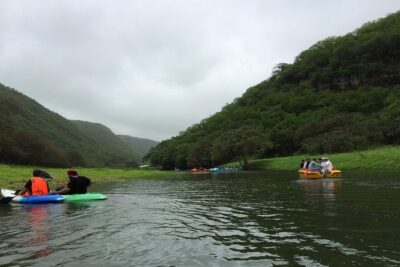
East & West Salalah Combination Tour – Darbat Waterfall, Mughsail
Read our review →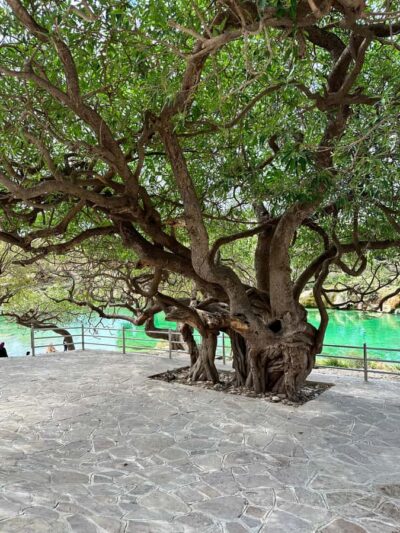
Half-Day Guided Tour to Wadi Darbat & Mount Samhan
Read our review →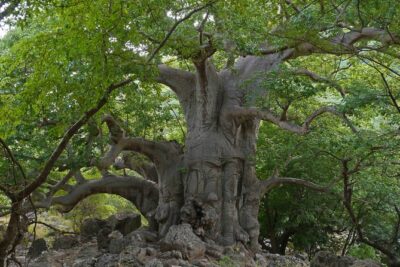
Mountain Tour – Darbat falls, Jebel Samhan, sinkholes, baobabs
Read our review →
Salalah City and East Tour Combo (Darbat falls, Razat spring)
Read our review →
Salalah East Tour: Taqah , Darbat waterfall,camel’s baobab
Read our review →
Browse the lists this tour appears in