
Reviewed · SAFARI
Jebel Safari – Tour della montagna
Mountains, ports, and baobabs in one day. This private Salalah excursion packs a remarkable range of Dhofar sights into about eight hours, from a traditional house in Taqa and the UNESCO archaeological site of Sumhurram to high mountain viewpoints and the old fishing town of Mirbat. I especially like the chance to see both cultural sites and wild mountain scenery, and I like that a private group of up to four can move at its own pace. The main drawback is the schedule: with so many major stops, some visits may feel fairly brief.
At $502.57 per group, the cost makes the most sense for two to four people sharing the vehicle. I also value the local touch supplied by guide Salim, who is praised for combining an easy trek, an Arabic-style lunch, and extra stops when time allows. You should still be ready for a full day on the road, with changing heights, winding mountain routes, and plenty of time outside.
In This Review
- Key points to know before you book
- Why this Salalah mountain tour covers so much ground
- Taqa and the old governor’s house
- Khor Rori lagoon and Sumhurram’s ancient port
- Climbing toward Tawi Attir and Teeq Cave
- The highest viewpoint and the Arabian leopard reserve
- Wadi Hinna and the baobab forest
- Mirbat and the dhows of the Indian Ocean
- How the $502.57 group price works in practice
- Who will enjoy this route most
- Should you book the Jebel Safari?
- FAQ
- How long does the Jebel Safari last?
- How much does the tour cost?
- Is this a private tour?
- Is pickup available?
- Does the tour visit a UNESCO site?
- Is lunch included?
- Can I cancel for a full refund?
Key points to know before you book
- Taqa opens the day with Omani domestic life: You enter an old governor’s house and see the interior of a traditional home.
- Sumhurram connects Salalah to Indian Ocean trade: The ancient port once helped control the spice route under the kingdom of Hadramout.
- Tawi Attir is a dramatic mountain stop: The sinkhole, also called the bird’s well, provides one of the day’s most unusual natural sights.
- Jebel Samhan brings the biggest views: The highest panoramic point marks the start of the Arabian leopard reserve.
- Wadi Hinna changes the scenery again: Its baobab forest feels very different from the rocky heights above.
- Mirbat adds a working coastal note: Traditional dhow boats still connect the town with the Indian Ocean.
Why this Salalah mountain tour covers so much ground
Many day trips from Salalah focus on one theme. This one does not. It links old homes, an ancient port, sinkholes, mountain reserves, desert trees, and fishing traditions in a single loop.
That variety is the main reason I find the tour appealing. You are not spending eight hours looking at similar viewpoints. The day keeps changing character, which helps the long drive feel worthwhile.
The format is private, so only your group participates. That matters here because the route includes several stops where you may want to linger, take photographs, or ask questions. The tour description also allows for extra additions based on available time, giving the guide some room to adjust the day.
The tradeoff is distance. The experience lasts approximately eight hours, and the route moves from Taqa and Khor Rori into the high mountains, down through Wadi Hinna, and onward to Mirbat before returning to Salalah. You should see this as a full regional outing, not a quick mountain ride.
More Safaris in Salalah
- East Salalah Mountain Safari, Wadi Darbat, Beach, Camels, Dunes
★ 5.0 · 206 reviews - Mountain Safari Private Tour
★ 5.0 · 105 reviews - Sunset Desert Safari Salalah Tour in Rub Al Khali – Empty Quarter
★ 5.0 · 91 reviews
Taqa and the old governor’s house
The first cultural stop takes you to Taqa, a village east of Salalah. Here you enter the former house of the city’s governor and get a look at the inside of a traditional Omani home.
This is a useful start because it gives the day a human scale. Before heading into the mountains, you see how local domestic architecture differs from modern hotel areas and city buildings. The value is not in a long museum visit. It is in the chance to step inside an older home and connect the region’s history with everyday life.
The information provided does not give a precise visit length, so I would not expect a detailed guided tour of every room. Still, the stop adds context that a scenery-only excursion would miss.
Taqa also sets up the next part of the day. Dhofar has long been linked to trade and the sea, and the nearby port site at Khor Rori makes that connection much clearer.
Khor Rori lagoon and Sumhurram’s ancient port
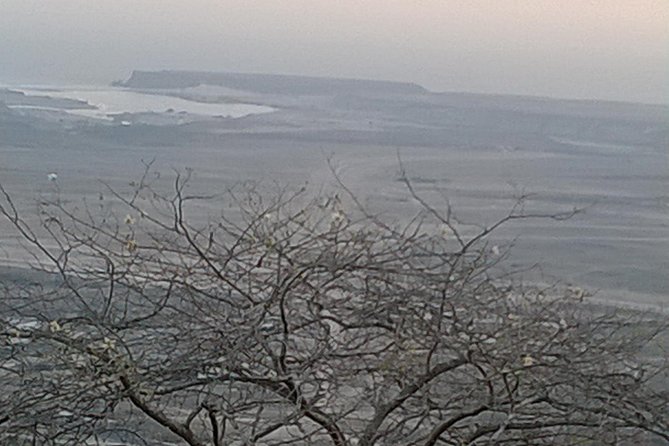
Khor Rori is described as a spectacular lagoon, and it accompanies one of the most important cultural stops on the route: Sumhurram.
Sumhurram is a UNESCO site and was built by the kingdom of Hadramout as a port for controlling the spice trade on the Indian Ocean. That detail gives the ruins real importance. This was not simply a small settlement beside the water. Its location helped connect southern Arabia with wider sea trade.
I like this stop because it puts Dhofar into a larger story. The area was tied to routes carrying valuable goods across the Indian Ocean, and the lagoon helps explain why the settlement was placed here. You can look at the archaeological remains while also understanding the practical role of the harbor.
Allow yourself time to take in the setting rather than rushing straight from one photo point to the next. The combination of water, ruins, and trade history is one of the more distinctive parts of the day.
The schedule covers many sights, so the exact amount of time at Sumhurram is not stated. If ancient sites are your main interest, you may want to confirm the planned stop length when booking. If you prefer variety, the shorter visit may work well because the mountains are still ahead.
Climbing toward Tawi Attir and Teeq Cave
After the coastal and archaeological stops, the route turns toward the region’s highest mountains. The scenery changes sharply as the road gains height, and the tour includes a stop at Tawi Attir, also known as the bird’s well.
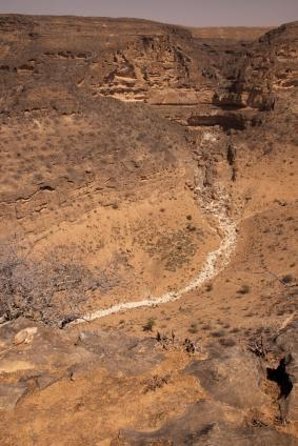
Tawi Attir is a sinkhole and one of the day’s most memorable natural features. The tour also refers to the second largest sinkhole on earth, with desert rose and dragon blood trees growing around it. Those plant names alone hint at how unusual the setting can be: rocky ground, deep openings, and trees adapted to a dry mountain environment.
The supplied itinerary also names Teeq Cave, although the detailed stop description focuses mainly on Tawi Ateer Sinkhole. I would treat this part of the route as a mountain geology and scenery section, while confirming with the operator exactly how Teeq Cave fits into the day.
The walk is described as easy in one account, which is useful if you want a close look at the area without signing up for a strenuous hike. Even so, an easy trek is not the same as a completely effortless outing. You should be comfortable walking around uneven outdoor ground and spending time at exposed viewpoints.
The sinkhole is likely to be more interesting if your guide explains the local names and plant life. Guide Salim is specifically praised for making the day comfortable, adding stops where time allowed, and combining the outing with an Arabic-style lunch.
Something different, still within reach of Salalah:
- Salalah: Wadi Darbat, Jabal Samhan, Baobab, Mirbat Sand Dune
★ 4.6 · 178 reviews - Salalah: Sunset Desert Safari – Rub Al Khali – Empty Quarter
★ 4.6 · 79 reviews - West Salalah Tour – Caribbean of Orient – Fazayah Beach with City
★ 5.0 · 74 reviews - Salalah City Tour: Discover the Best of Oman’s Coastal Gem
★ 4.8 · 58 reviews
The highest viewpoint and the Arabian leopard reserve
The route continues to the highest panoramic point, where the national reserve of the Arabian leopard begins. This is the visual high point of the trip, both literally and in terms of scenery.
The reserve reference adds an important layer. You are not simply stopping at a mountain overlook. You are reaching an area associated with one of Arabia’s rarest wild cats, even though no sighting is promised. Keep your expectations realistic: the value is the setting and the conservation context, not a guaranteed wildlife encounter.
This is also where the picnic lunch takes place. Eating at the highest viewpoint gives the midday pause a strong sense of place. The meal is described as a picnic, and one account specifically praises an Arabic-style lunch. The supplied details do not specify the menu, so you should ask the operator if you have dietary needs or want to know exactly what is included.
A picnic at a remote viewpoint can be one of the most enjoyable parts of a private day. You can stop, eat, and take in the open views instead of sitting in another restaurant. The downside is that mountain weather can differ from conditions in Salalah, and the tour description does not provide details about shade or seating. Dress for an outdoor break and bring water unless the operator confirms it is supplied.
Wadi Hinna and the baobab forest
The return route descends through Wadi Hinna. This is where the day takes another turn, moving away from high rocky viewpoints and into a setting known for its baobab trees.
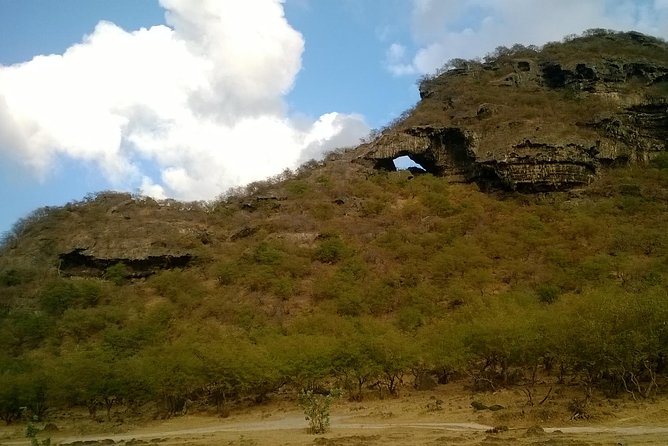
The baobab forest is a strong reason to choose this tour instead of a standard city-and-coast excursion. These broad, striking trees look completely different from the desert rose and dragon blood trees seen higher up. The change gives you a better sense of Dhofar’s variety in one day.
The tour does not promise a hike through the forest or specify how long the stop lasts. You should expect a viewing and photography stop rather than a long woodland walk. Still, the trees are unusual enough to deserve more than a quick glance from the vehicle.
Wadi Hinna also helps break up the driving. After the morning’s cultural sites and the mountain ascent, descending into the wadi gives the route a natural rhythm. The guide may add other stops if time permits, but you should not count on extras because the core route already covers a lot.
Mirbat and the dhows of the Indian Ocean
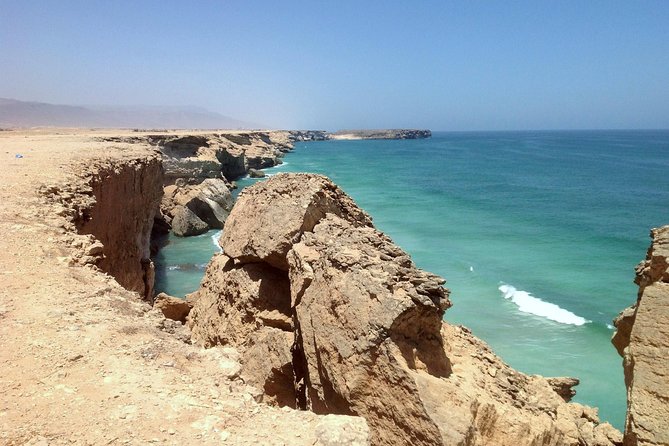
The final major stop is Mirbat, a coastal town where fishermen still sail traditional dhow boats. This brings the day back to the sea and returns you to the maritime theme introduced at Khor Rori and Sumhurram.
A dhow is more than a picturesque boat. It represents a continuing connection with the Indian Ocean and with the fishing traditions that shaped coastal Oman. Seeing these boats in Mirbat gives the tour a living cultural finish rather than ending only with old ruins.
I like the balance here. Sumhurram shows an ancient port tied to trade, while Mirbat shows a coastal tradition that remains part of local life. The two stops speak to each other without being identical.
The information provided does not guarantee a boat ride, a harbor visit, or time aboard a dhow. Plan on seeing the town and its traditional boats, not taking to the water. That distinction matters if you are hoping for a sailing experience.
How the $502.57 group price works in practice
The listed price is $502.57 for a group of up to four people. That works out to about $125.64 each for four, or about $251.29 each for two, before considering any separate costs not specified in the tour details.
For a private eight-hour trip covering Taqa, Khor Rori, Sumhurram, Tawi Attir, the high mountain viewpoint, Wadi Hinna, and Mirbat, the price can be reasonable if you fill the vehicle. The private format is especially useful for families, couples, or a small group of friends who want the same route without joining a larger coach.
For one person, the price is much harder to justify. The cost is fixed by group rather than by individual, so solo visitors should compare it with other private options or consider finding companions.
The strongest value comes from the range of experiences. You receive a full-day route, pickup is offered, and only your group participates. A mobile ticket also makes access simple at the point of departure.
Free cancellation is available if you cancel at least 24 hours before the start time. Changes or cancellations made less than 24 hours before the local start time are not accepted for a refund, so leave yourself enough notice if plans are uncertain.
Who will enjoy this route most
I would recommend this tour to you if you want Salalah’s mountains but also care about history and local traditions. It suits people who prefer one substantial day trip over several smaller outings.
It is a particularly good fit for:
- Small groups of up to four sharing the cost
- Visitors interested in archaeological sites and trade history
- People who want unusual natural features such as sinkholes and baobabs
- Anyone looking for a private route with room for guide-led additions
- Photographers who value changing scenery throughout the day
- Visitors comfortable with an outdoor picnic and an easy mountain walk
I would be more cautious if you dislike long drives or need a slow, unhurried schedule. The tour covers a broad part of the region, and the number of stops means you cannot assume every place will receive a long visit.
The exact details of pickup time, meal contents, stop lengths, and Teeq Cave’s role are not provided. I would confirm those points directly with DhoIT, Dhofar International Tourism, before paying, especially if you have dietary, mobility, or timing concerns. Service animals are allowed, and most people can participate according to the supplied information.
Should you book the Jebel Safari?
Book it if you want a packed, private introduction to Dhofar’s history, mountains, trees, and coast. The best parts are the contrast between Sumhurram’s ancient trading port, the high Jebel Samhan viewpoint, the unusual sinkholes, and Wadi Hinna’s baobabs.
The decision is easiest when three or four people share the $502.57 price. I would choose this tour over a simpler mountain drive if you value variety and want an Arabic-style picnic with a guide such as Salim. I would skip it only if you prefer a short outing, a guaranteed wildlife sighting, or extensive time at one archaeological site.
FAQ
How long does the Jebel Safari last?
The tour lasts approximately eight hours.
How much does the tour cost?
The listed price is $502.57 per group, with up to four people included.
Is this a private tour?
Yes. Only your group participates in the activity.
Is pickup available?
Yes. Pickup is offered.
Does the tour visit a UNESCO site?
Yes. The route includes Sumhurram, an archaeological port site described as a UNESCO site.
Is lunch included?
A picnic lunch is planned at the highest panoramic viewpoint. The supplied details do not state the exact menu, though an Arabic-style lunch is described.
Can I cancel for a full refund?
Yes, if you cancel at least 24 hours before the experience start time. Cancellations or changes made less than 24 hours before the local start time are not accepted for a refund.
Just added around Salalah
- Salalah East Adventure: Waterfalls, Mountain & Safari★ 5.0 · 3 reviews
- Salalah East Tour (Full Day Tour)★ 5.0 · 3 reviews
- West Coast Mountains and Beaches (Fazayah beach + Shaat cliff)★ 5.0 · 3 reviews
- Salalah: Horse Riding by the Beach★ 4.4 · 3 reviews
- Half day Salalah City Tour with Souq Visit★ 5.0 · 3 reviews
- Salalah: Wadi Darbat, ,Teeq Cave – Baobou Trees Tour★ 4.3 · 3 reviews
- Empty Quarter & Lost City from Salalah★ 5.0 · 3 reviews
- Elite Private Full Day Tour – Salalah Main Attractions★ 5.0 · 3 reviews
Safari, compared.

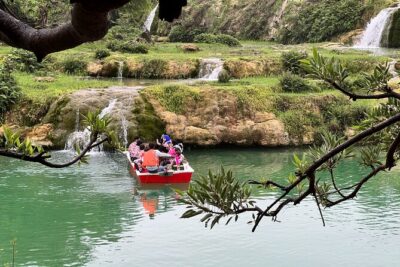
East Salalah Mountain Safari, Wadi Darbat, Beach, Camels, Dunes
Read our review →
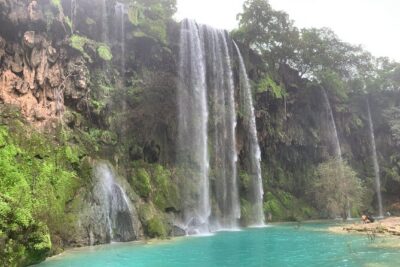
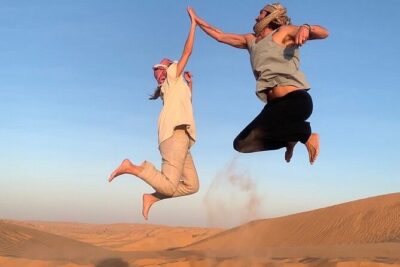
Sunset Desert Safari Salalah Tour in Rub Al Khali – Empty Quarter
Read our review →
Sunset Desert Safari – Rub Al Khali – Empty Quarter
Read our review →

Sunset desert safari tour in Salalah(private tour)
Read our review →Browse the lists this tour appears in