
Reviewed · WADI DARBAT TOURS
Salalah: Wadi Darbat, Jabal Samhan, Baobab, Mirbat Sand Dune
Salalah changes fast outside town. This east-side outing packs Wadi Darbat’s camels and seasonal waterfalls with Taqa’s old buildings, dramatic coastal views, and mountain roads. I like the striking variety, and I like how guides such as Adel, Mohammed Ali, Tariq, and Salim add local stories and stop for photos. The main caution is seasonal: dry months can leave the waterfall and stream almost empty.
The $76 price makes sense if you want several distant sights without hiring a 4WD and planning the route yourself. You get hotel pickup, a guide, water, and a comfortable SUV, but lunch, historic-site tickets, and Wadi Darbat boating cost extra. The full version can last up to eight hours, so eat breakfast and expect a long, active day.
In This Review
- Five reasons this East Salalah trip earns attention
- Why the east side of Salalah is worth your day
- Taqa’s castle, fort, and fishing coast
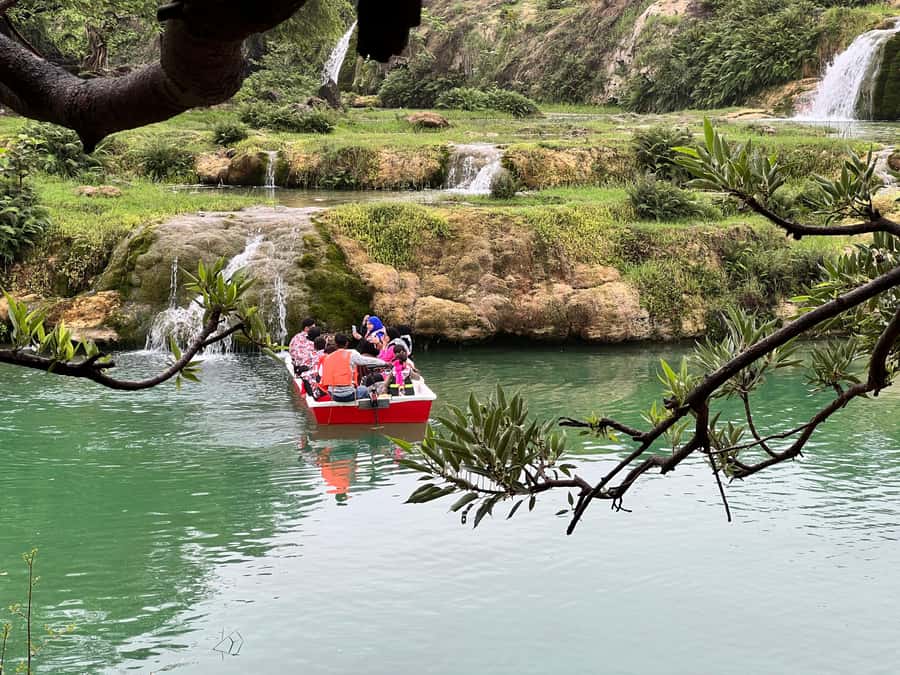
- Wadi Darbat, where camels share the water
- Tawi Attair and the road to Jabal Samhan
- Baobab trees and Salalah’s odd roadside surprises
- Mirbat’s Ad Damar dunes at day’s end
- Guides, vehicles, and the feel of the day
- Is $76 a fair price?
- Half day or full day?
- FAQ
- What is included in the Salalah east-side tour?
- Are lunch and entrance fees included?
- Is boating included at Wadi Darbat?
- Which attractions are included in the half-day version?
- What should I wear and bring?
- Can I cancel or pay later?
- Should you book it?
Five reasons this East Salalah trip earns attention
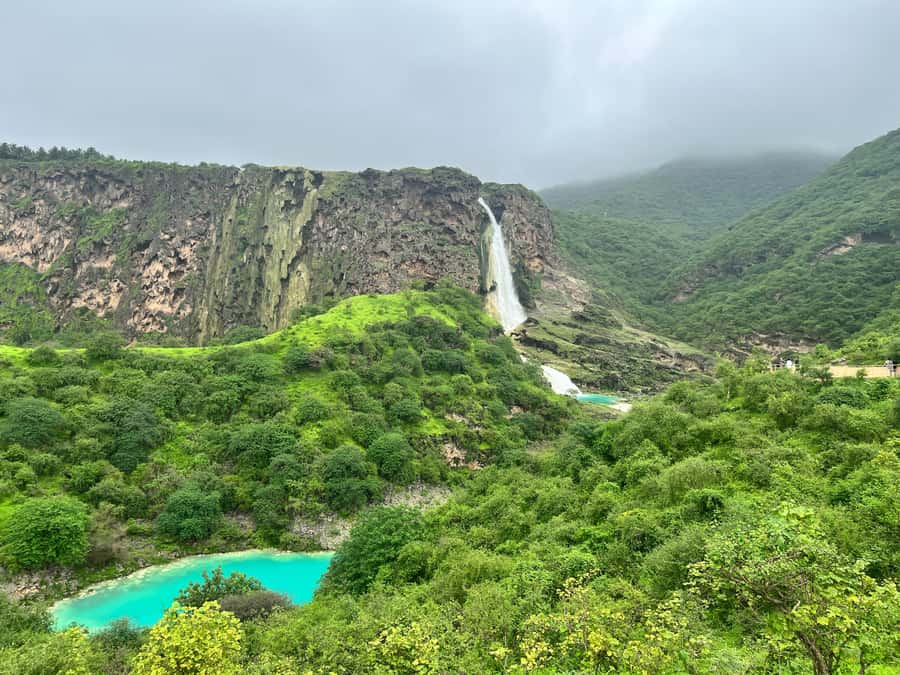
- Wadi Darbat combines water, animals, and open scenery: Camels, horses, and cows may gather near the water, while seasonal falls run down from the hills.
- Jabal Samhan gives you a 4,000-foot viewpoint: On clear days, the cliff edge seems to hang above the clouds.
- The route covers an unusual range of Dhofar: You move from fishing villages and coastal cliffs to sinkholes, mountains, baobabs, and sand dunes.
- Taqa adds real cultural context: A castle, a cliff-top fort, and a 150-year-old house give the natural sights a human story.
- Guides make a major difference: Adel was praised for photos and history, Mohammed Ali for warmth and flexibility, and Salim for safe decisions in mist.
- Season matters more than the brochure suggests: Khareef brings greenery and waterfalls, while the dry season offers clearer roads but less water.
Why the east side of Salalah is worth your day
Salalah is often sold through beaches and the Khareef season, yet the eastern side shows how varied Dhofar can be. In one outing, you can see the sea from a cliff, sit near a wadi, look into a huge sinkhole, reach a high mountain viewpoint, and finish among desert dunes.
That range is the tour’s strongest feature. You are not spending the entire day at one attraction, and the driving between stops becomes part of the experience. From the SUV, you get changing views of bare rock, green mountain slopes in wetter months, coastal settlements, and broad sandy areas.
I would choose this trip early in a Salalah visit. It quickly gives you a sense of the region’s geography, and your guide can point out other places to visit later. It also works well if you have only a day or two in Salalah and want a broad introduction rather than a single focused activity.
The advertised duration is flexible, from four to eight hours. That is important. A half-day outing includes Taqa and Wadi Darbat, while the full-day version continues toward Tawi Attair, Jabal Samhan, the baobabs, Gravity Hill, and the Mirbat dunes. Confirm the exact version when booking, because the difference is substantial.
More Wadi Darbat trips:
- East Salalah Mountain Safari, Wadi Darbat, Beach, Camels, Dunes
★ 5.0 · 206 reviews - East & West Salalah Combination Tour – Darbat Waterfall, Mughsail
★ 5.0 · 55 reviews - Salalah: Half-Day Guided Tour to Wadi Darbat & Mount Samhan
★ 4.9 · 46 reviews
Taqa’s castle, fort, and fishing coast
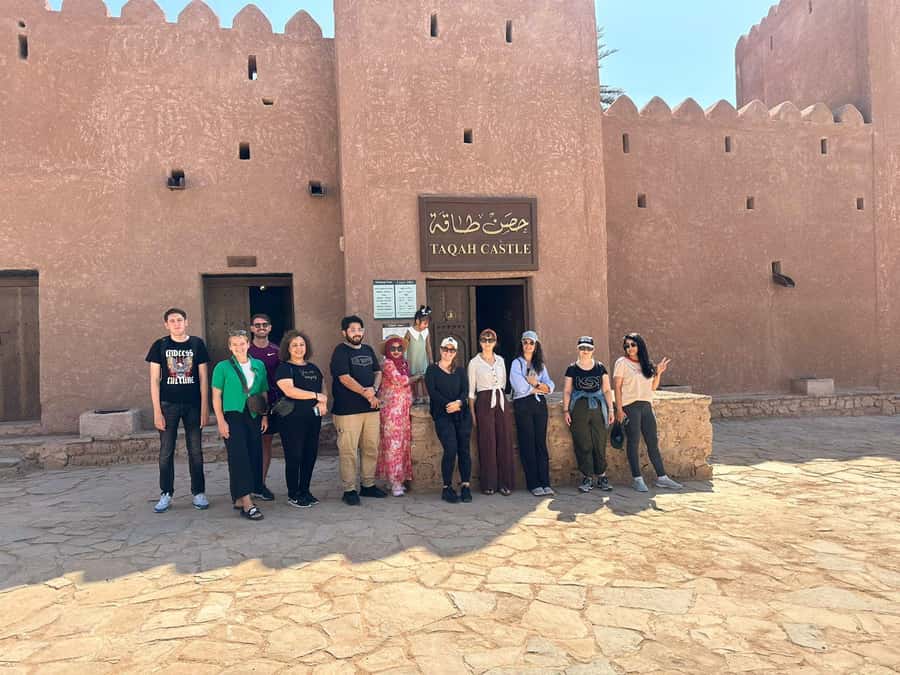
The first major area is Taqa, a traditional coastal town east of Salalah. The route includes scenic views on the way, then moves into the town’s old buildings and coastal outlooks.
Taqa Castle is a 19th-century building and gives you a direct look at local domestic and defensive life from an earlier period. You can go inside if you pay the optional entry fee, or simply view it from outside. The choice is useful for mixed groups, since one person may want every room and another may prefer photographs and the coast.
Burj Al Askar, also called Taqa Fort, sits on a cliff-top position. Its appeal is less about a long indoor visit and more about the view toward the castle, town, and turquoise water. Bring a camera, but also take a moment to look beyond the lens. This is one of the stops that shows why Taqa mattered as a coastal settlement.
Koofan Heritage House offers another angle. It is described as a 150-year-old Dhofari home, so it can help you understand how people lived rather than simply how authorities defended the town. Entry to the castle, fort, and house is not included, and you do not need to visit all three.
The coastal section is relatively short, but it gives the tour balance. Without Taqa, the day would be mostly rocks, trees, and viewpoints. With it, you see a living town, local fishing activity, shore birds, and older buildings connected to the area’s past.
Wadi Darbat, where camels share the water
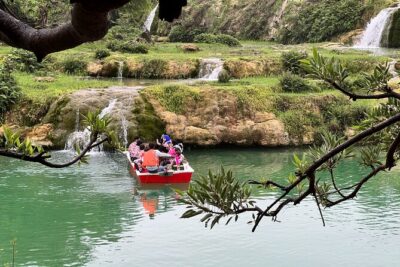
Wadi Darbat is the central stop for many people, and it is easy to see why. The valley is one of Dhofar’s best-known natural sites, with open spaces, mountain edges, seasonal falls, and water channels that can attract animals.
At the wadi, you have about an hour to explore, followed by an optional 30-minute boat cruise. Kayaking may also be available, but both boating and kayaking cost extra. The water experience is relaxed rather than a major expedition, and it gives you a different view of the valley.
The animals are part of the charm. You might see wandering camels cooling off near the water, along with horses and cows. That mix feels distinctly Dhofari and makes the stop more memorable than a simple viewpoint. Keep a respectful distance and let your guide advise you on where to walk.
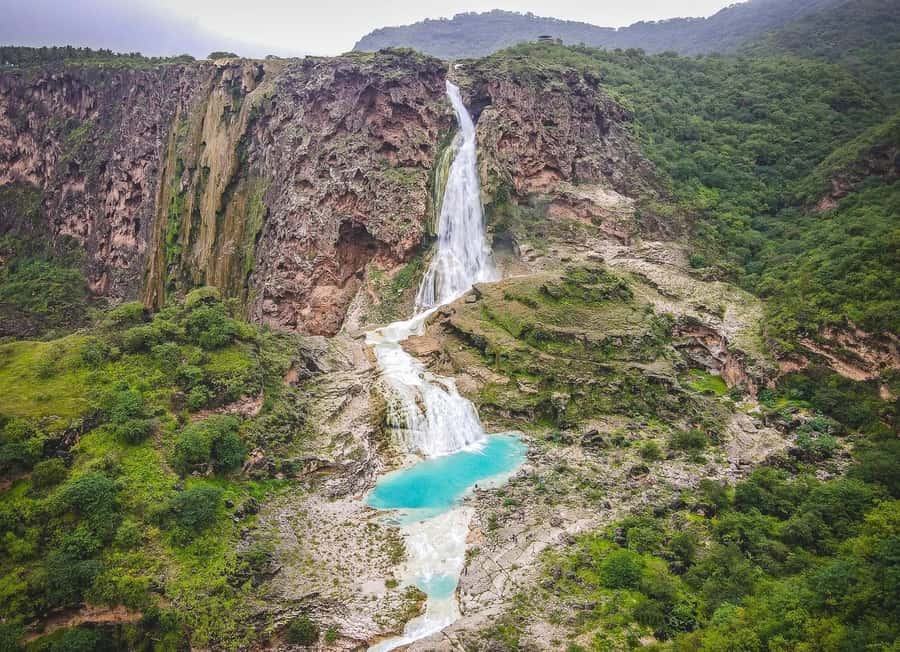
Timing matters here. During Khareef, generally the wetter monsoon period, the valley can turn green and the waterfalls become the main event. Outside that season, the wadi remains attractive, but the falls and stream may be weak or dry. Several people have enjoyed the stop in the dry months, yet the water features should not be your only reason for booking.
A practical point: one person was delayed after getting stuck on a boat, while another group was rushed because different parties were sharing the same vehicle schedule. If you choose the boat, keep track of the agreed departure time and tell your guide if you need time to eat, rest, or change activities.
Bring snacks. There is no dependable restaurant stop among the natural sites, although you can eat at Wadi Darbat or Samhan if your group arranges a pause. Breakfast before pickup is strongly advised.
Tawi Attair and the road to Jabal Samhan

The full-day route continues to Tawi Attair, known as the Birds Well. This is a massive sinkhole and one of the trip’s more unusual stops. You are not simply looking across a valley here. You are looking into a dramatic opening in the earth, a feature that gives the mountain section a sense of scale.
The stop is listed at about 30 minutes, which is enough for views and photographs but not an extended hike. One useful seasonal point came from a dry-season visit: a guest wished there had been an opportunity to walk farther into the sinkhole or swim elsewhere. Do not expect a canyon adventure or swimming session unless your guide specifically confirms it.
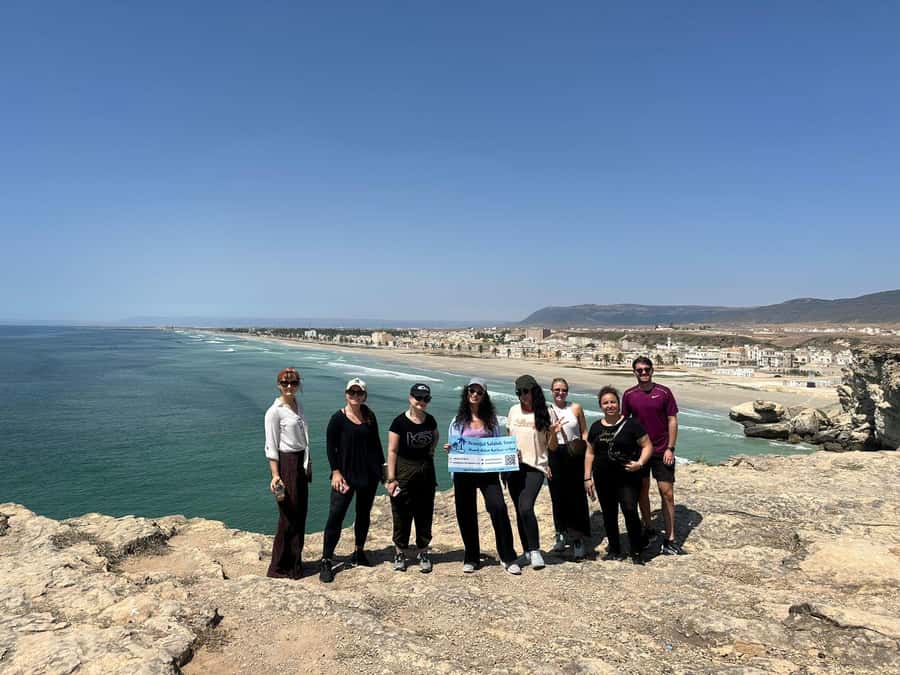
From there, the SUV climbs toward Jabal Samhan, the highest point in southern Oman. The viewpoint reaches around 4,000 feet and looks toward steep cliffs and wide mountain country. In clear weather, clouds can collect below or against the cliffs, creating the above the clouds effect promised by the tour.
This is one of the best reasons to select the full day. The drive and climb show how sharply the region changes from coast to high mountain. The viewpoint itself is a short visit, not a strenuous trek, but you should still wear proper shoes and stay well back from edges.
Weather can cancel the view. In heavy mist, the mountain may be unsafe or simply invisible. One guide, Salim, reportedly chose not to continue when conditions became extremely foggy and filled the time with other stops instead. That is the right call. A mountain viewpoint is never worth a risky drive.
More wadi trips:
- Salalah: Wadi Derbat, Jabal Samhan, & Sinkhole Private Tour
★ 4.9 · 42 reviews - Private tour – Empty Quarter desert adventure – Wadi Dawka + Ubar
★ 5.0 · 5 reviews - Salalah: Wadi Darbat, ,Teeq Cave – Baobou Trees Tour
★ 4.3 · 3 reviews - From Muscat: Wadi Shab & Bimmah Sinkhole Full-Day Tour
★ 4.8 · 1,862 reviews
Baobab trees and Salalah’s odd roadside surprises
The ancient baobabs at Wadi Hinna are a memorable contrast to the mountains. Their thick trunks and unusual shapes look unlike the trees you see around Salalah’s wadis and coastal plains. The visit is short, about 15 minutes, but the trees deserve a slow look because their size is easy to underestimate in photographs.
This is a good place for your guide to explain the local setting and help with pictures. Solo visitors in particular may appreciate that guides such as Adel have taken time to photograph guests rather than leaving them to manage the camera themselves.
Next comes Gravity Hill, a roadside curiosity where a vehicle appears to roll uphill in neutral. The effect is simple but fun, especially after a full day of serious viewpoints. It is not a long attraction, and you should treat it as a brief novelty rather than a major reason to book the tour.
The stop also breaks up the return drive. A day filled only with scenic overlooks can become tiring, while the gravity trick gives the group something light to share.
Mirbat’s Ad Damar dunes at day’s end
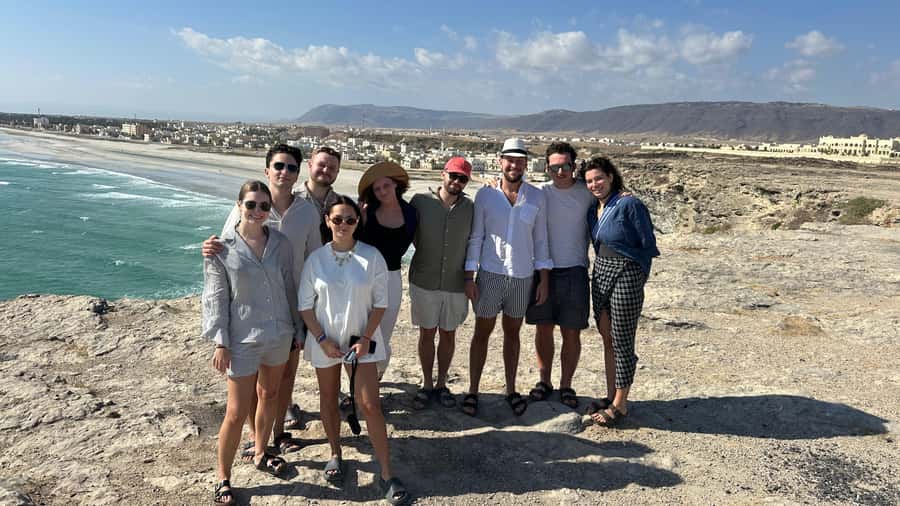
The final outdoor stop is the Ad Damar sand dunes near Mirbat. Golden sand meets a mountain backdrop and the coast, giving you a last change of scenery before returning to Salalah.
The visit is listed at around 20 minutes. That is enough to walk a little, take photographs, and watch the light change across the sand, but do not expect a long desert excursion or organized dune driving. The value is the setting, where sea, mountains, and sand appear in one frame.
Ending here works well. The dunes feel different from Wadi Darbat and Jabal Samhan, so the route finishes with another visual shift rather than repeating the same kind of viewpoint.
If you are staying in Mirbat or Hinu Bay, pickup and drop-off carry an extra OMR 10 per group. Pickup is otherwise included from hotels and apartments in Salalah and Hawana Salalah, as well as Salalah port and airport.
Guides, vehicles, and the feel of the day
The tour uses a Jeep or SUV, a practical choice for the mountain roads and spread-out stops. The vehicle matters because you spend meaningful time driving, though the itinerary breaks the journey into manageable sections.
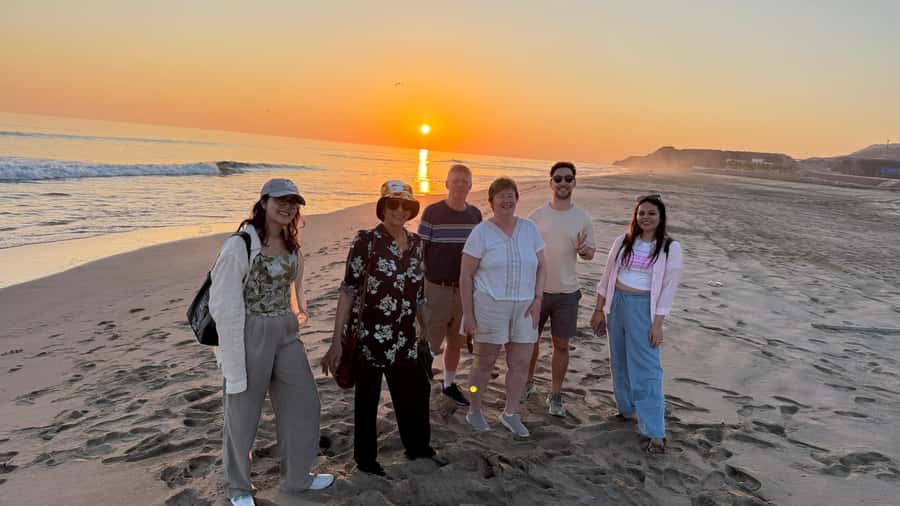
Guide quality is one of the strongest parts of this experience. Adel has been praised for clear English, local stories, patience, and excellent photographs. Mohammed Ali is repeatedly described as funny, warm, flexible, and well informed about Omani culture and religion. Tariq, Salim, Majid, Abdullah, Abo Salim, and others have also received praise for friendliness, safe driving, and helpful explanations.
That does not mean every departure will feel identical. Several language groups may share one vehicle, and one complaint involved unclear coordination between a Polish guide and an English-speaking group. Ask at pickup who your guide is and which stops are included for your version of the tour.
The guides also appear willing to make reasonable photo stops or small adjustments. One group stopped at a local café for karak tea, and another received an extra photo stop. These extras are not guaranteed, but they show why it helps to speak up politely if you need a short break or want a photograph.
The activity is not suited to people with mobility impairments, pregnant women, or anyone over 95. Comfortable clothes, covered shoulders and knees, sturdy walking shoes, cash, and a credit card are sensible. Omani modest dress is expected, so leave shorts, mini-skirts, sleeveless tops, and low-cut shirts at the hotel.
Is $76 a fair price?
At $76 per person, the value depends on how much of the full route you receive and how many people are in the vehicle. For the full day, the price covers a wide area that would take planning, driving confidence, and a suitable vehicle to manage independently.
You also receive pickup and drop-off, a live guide, and bottled water. That makes the cost reasonable for a visitor who does not want to rent a 4WD or arrange several separate trips.
The price does not cover lunch, entrance fees at Taqa’s heritage sites, or boating and kayaking at Wadi Darbat. Those extras can add up, so carry cash and ask about costs before choosing each activity. The tour is better value if you are happy with outdoor viewpoints and free sightseeing, rather than expecting every optional feature to be included.
Solo visitors may find the shared format especially useful. Group tours for one person can be hard to find, and this route offers a social way to cover the region without paying for a private vehicle.
Half day or full day?
Choose the half day if you want Taqa and Wadi Darbat, have limited energy, or are visiting outside Khareef and do not need the longer mountain route. It gives you the cultural and valley highlights without committing to eight hours.
Choose the full day if you want the complete geographical picture. Tawi Attair, Jabal Samhan, the baobabs, Gravity Hill, and Mirbat’s dunes are the parts that turn this from a local outing into an east Dhofar road trip.
I would choose the full day during clear weather, especially in the wetter season, when the mountain clouds and Wadi Darbat greenery can transform the views. In the dry season, keep expectations realistic: the baobabs, sinkhole, coast, mountains, and dunes remain worthwhile, but the waterfall may disappoint.
FAQ
What is included in the Salalah east-side tour?
A tour guide, hotel pickup and drop-off in Salalah and Hawana Salalah, and bottled water are included. Pickup is also available from Salalah port and airport at no extra cost.
Are lunch and entrance fees included?
No. Food is not included, though lunch can be arranged at an additional cost. Entrance tickets for Taqa Castle, Taqah Fort or Burj Al Askar, and Koofan Heritage House are also extra.
Is boating included at Wadi Darbat?
No. The boat cruise and kayaking are optional activities and require separate payment.
Which attractions are included in the half-day version?
The half-day version covers Taqa’s cultural and coastal sights and Wadi Darbat. The sinkhole, Jabal Samhan, baobab trees, Gravity Hill, and Mirbat dunes are listed for the full-day version.
What should I wear and bring?
Wear modest clothing covering your shoulders and knees, along with comfortable or hiking shoes. Bring cash, a credit card, snacks or lunch, and comfortable clothes.
Can I cancel or pay later?
You can cancel up to 24 hours before the activity for a full refund. Reserve-now, pay-later booking is available, so you do not have to pay at the time of reservation.
Should you book it?
Book this tour if you want one efficient day covering Salalah’s eastern coast, mountains, wadis, sinkholes, trees, and dunes. It is particularly useful for first-time visitors, solo visitors, and anyone who does not want to drive a 4WD across a scattered route.
I would book the full day in clear weather and Khareef season for the strongest mix of water, greenery, and mountain views. In the dry season, I would still go, but I would choose it for the variety and scenery rather than the waterfall. Eat first, pack snacks, budget for optional extras, and confirm the exact half-day or full-day route before paying. With those expectations, $76 buys a very practical introduction to Dhofar.
Just added around Salalah
- Salalah East Tour (Full Day Tour)★ 5.0 · 3 reviews
- Salalah East Adventure: Waterfalls, Mountain & Safari★ 5.0 · 3 reviews
- West Coast Mountains and Beaches (Fazayah beach + Shaat cliff)★ 5.0 · 3 reviews
- Salalah: Horse Riding by the Beach★ 4.4 · 3 reviews
- Half day Salalah City Tour with Souq Visit★ 5.0 · 3 reviews
- Salalah: Wadi Darbat, ,Teeq Cave – Baobou Trees Tour★ 4.3 · 3 reviews
- Jebel Safari – Tour della montagna★ 5.0 · 3 reviews
- Empty Quarter & Lost City from Salalah★ 5.0 · 3 reviews
Wadi Darbat Tours, compared.
East Salalah Mountain Safari, Wadi Darbat, Beach, Camels, Dunes
Read our review →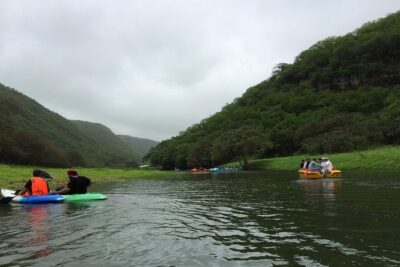
East & West Salalah Combination Tour – Darbat Waterfall, Mughsail
Read our review →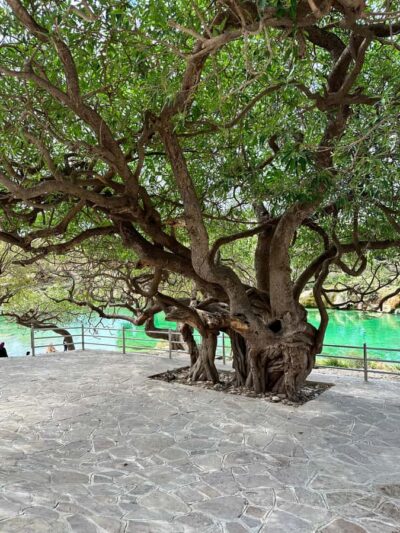
Half-Day Guided Tour to Wadi Darbat & Mount Samhan
Read our review →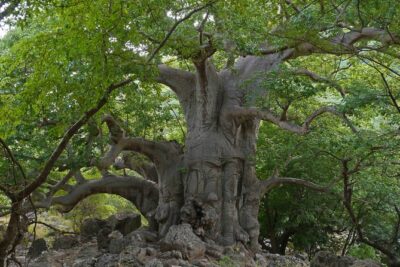
Mountain Tour – Darbat falls, Jebel Samhan, sinkholes, baobabs
Read our review →
Salalah City and East Tour Combo (Darbat falls, Razat spring)
Read our review →
Salalah East Tour: Taqah , Darbat waterfall,camel’s baobab
Read our review →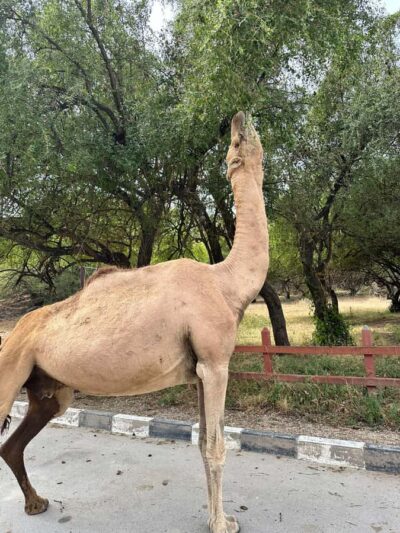
Browse the lists this tour appears in