
Reviewed · HISTORICAL TOURS
Historical Salalah City Tour
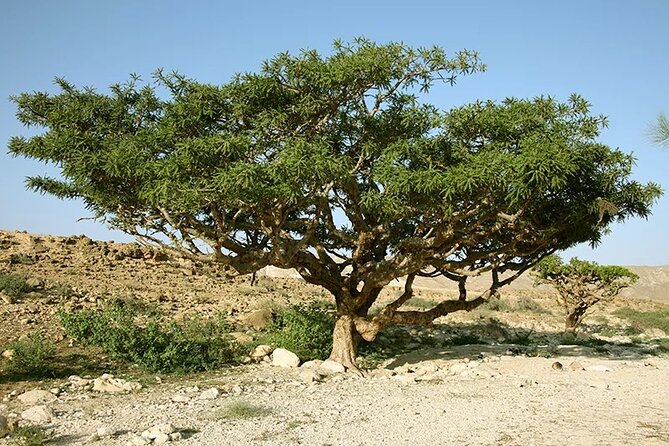
Salalah’s story smells of frankincense. This half-day outing brings together the city’s mosque, palace, souq, museum, and fruit plantations, giving you a useful first look at Dhofar’s religious life, royal history, trading traditions, and daily rhythms. I especially like the local English-speaking guides, including guides such as Amin, Salem, and Rashid, who have been praised for clear explanations and strong local knowledge.
I also like the chance to taste a fresh coconut drink at the fruit market and visit Al Baleed, a UNESCO World Heritage site tied to Oman’s frankincense trade. The main point to consider is timing: although this is sold as a half-day tour, one account described about two and a half hours of sightseeing, plus roughly an hour for hotel transfers, so the experience may feel brief if you expect long visits at every stop.
In This Review
- Key Points At A Glance
- What This Salalah Tour Actually Covers
- Sultan Qaboos Mosque: Start With Practical Respect
- Sultan Qaboos Palace From The Outside
- Al Hosn Souq And The Scent Of Frankincense
- Al Baleed Museum And The Land Of Frankincense
- Salalah’s Fruit Market And The Coconut Break
- Vehicles, Transfers, And The Pace Of The Morning
- What The Price Means In Practical Terms
- Who Will Get The Most From This Tour
- Practical Tips Before You Go
- Should You Book The Historical Salalah City Tour?
- FAQ
- How long does the Historical Salalah City Tour last?
- What is the price of the tour?
- Which language is available?
- Is Sultan Qaboos Mosque open every day?
- What should women wear for the mosque visit?
- Can you enter Sultan Qaboos Palace?
- What is included at the fruit market?
- Can you cancel the tour for a full refund?
Key Points At A Glance
- A practical introduction to Salalah: See the main cultural and historical sights without arranging several separate visits.
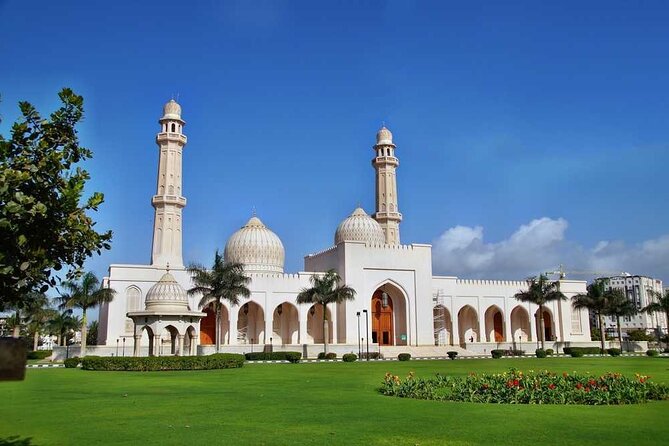
- Mosque access is time-sensitive: Sultan Qaboos Mosque is open to visitors from Saturday through Thursday, 8:30 to 11:00, and closed on Fridays.
- Frankincense is the connecting thread: The Al Hosn Souq and Al Baleed Museum show different sides of Dhofar’s old trade.
- Guides make a major difference: Amin, Salem, and Rashid have each been praised for clear English and helpful explanations.
- Expect outside views of the palace: Sultan Qaboos Palace is a photo stop, not an interior visit.
- A small local treat closes the outing: The tour includes a free coconut drink at Salalah’s fruit market.
What This Salalah Tour Actually Covers
This is a compact city tour built around Salalah’s best-known cultural stops. You travel by vehicle with an English-speaking local guide, moving between Sultan Qaboos Mosque, the palace area, Al Hosn Souq, Al Baleed Archaeological Site and Museum, fruit markets, and plantation areas.
The tour description also refers to Haffa Beach, Haffa Souq, Salalah Central Market, Al Nahdhah Tower, and Ain Razat. The exact amount of time at each place can vary, so I would treat the tour as a broad introduction rather than a slow, specialist visit to every listed location.
That approach works well if you have only one free morning or want help getting your bearings early in a Salalah stay. It is less suitable if you want long museum study, extended shopping, or detailed archaeological interpretation at every ruin.
The advertised price is $104 per person. That is not a bargain-basement city outing, so value depends heavily on the guide, the vehicle, the group size, and how much time you receive at each stop. With a strong guide and a small group, the price can make sense because transport, local interpretation, and several separate visits are bundled together. If the schedule runs short, the cost feels harder to justify.
More City Tours in Salalah
- Salalah City Tour: Discover the Best of Oman’s Coastal Gem
★ 4.8 · 58 reviews - Salalah City Tour with History, Culture, Souq Shopping, Halwa
★ 4.5 · 39 reviews - Ultimate Tour – Salalah city highlights
★ 5.0 · 22 reviews
Sultan Qaboos Mosque: Start With Practical Respect
The mosque is one of the most important stops, but it comes with firm visiting rules. It is open from Saturday through Thursday between 8:30 and 11:00, and it is closed on Fridays. That narrow morning window makes the order of the tour important.
You need to dress modestly. Bring a scarf, a long-sleeved shirt, and long pants. Shorts, short skirts, tight clothing, and see-through clothing are not allowed. Women need full coverage, including a scarf, long sleeves, and pants. Men also need covered clothing.
Your guide should explain local customs and Islamic prayer traditions here. One account describes a short explanation followed by about 20 minutes of free time. That may be enough for a respectful look and photographs where permitted, but it is not a long architectural visit.
I like this stop because it gives the rest of the tour a cultural foundation. You are not simply driving from market to market. You are learning how religion fits into public life in Oman, while also seeing one of Salalah’s major landmarks.
Still, check your clothing before leaving the hotel. A scarf tossed into the vehicle at the last minute may help, but full coverage is the safer plan. Since the mosque closes on Friday, confirm the operating day when you book.
Sultan Qaboos Palace From The Outside
The palace stop is brief and visual. You see Sultan Qaboos Palace from outside, hear information about the ruler and his successor, and have time for photographs.
The palace has a notable connection to Oman’s modern story: Sultan Qaboos was born in 1940. The tour may also point out the royal emblem and nearby Al Hosn Palace. You should not expect an interior tour or a formal palace visit.
That limitation is not a problem if you understand the purpose of the stop. It is a chance to connect Salalah with Oman’s recent political history and to see an important royal site in person. It is also a natural pause between the mosque and the market.
The drawback is that the stop can feel thin if you want architecture or royal ceremony. Much of the value comes from the guide’s explanation, so a clear guide matters here. Amin was praised for friendly, detailed explanations, while Salem and Rashid were also praised for answering questions and explaining each area carefully.
Al Hosn Souq And The Scent Of Frankincense
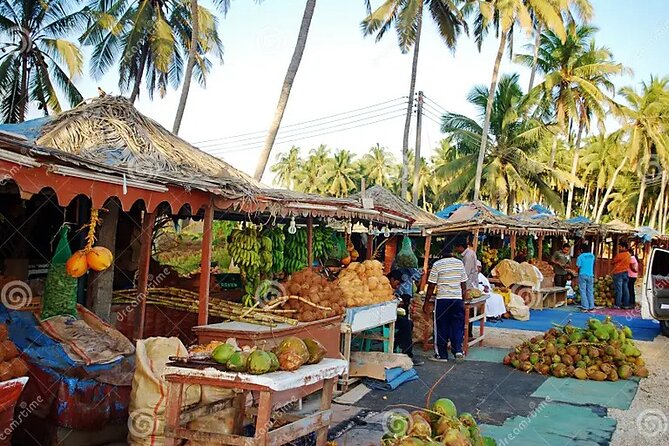
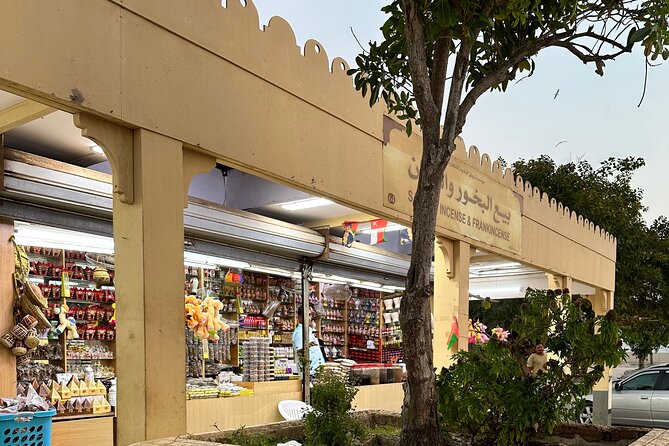
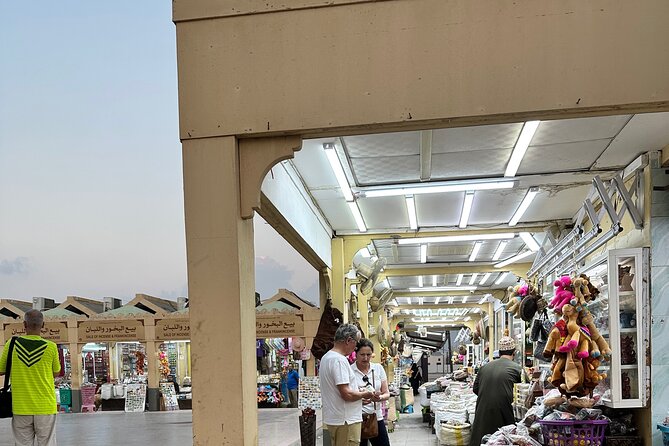
The souq is where the tour becomes more sensory. Al Hosn Souq, also called Haffa Souq in the tour information, is presented as one of Salalah’s oldest local markets and a place to shop for frankincense and handmade gifts.
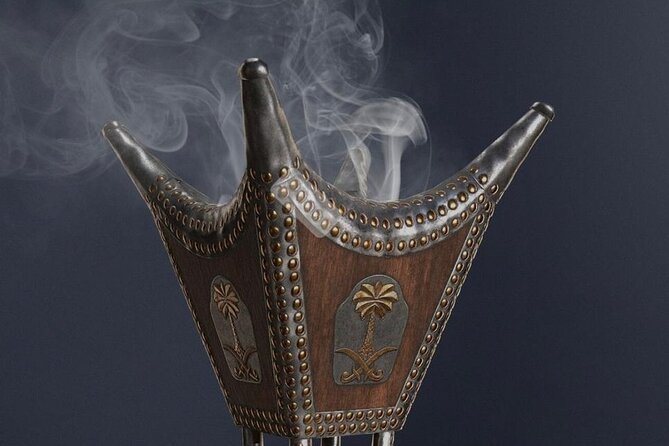
Frankincense is not a decorative extra in Dhofar. It is central to the region’s identity and long-distance trade. At the market, you can see the resin sold in different forms and learn about its role in perfume, incense, and local tradition.
A guide can help you understand what you are looking at, which is useful if you have never bought frankincense before. You may also have tea here, adding a simple social moment to the shopping stop.
The schedule described for this part includes some free time. One account noted about 15 minutes, while the guide and driver spent time speaking with local contacts. That means your shopping window may be short, and the experience may feel more like a quick introduction than a relaxed market visit.
I would use this stop to look, smell, ask questions, and choose one small item rather than plan a major shopping session. If buying gifts is your main reason for joining, ask at the start how much time will be available at the souq.
More forts and historic sites near Salalah:
- Historical Salalah City Tour with Culture, Food & Shopping
★ 4.6 · 20 reviews - East Salalah Highlights: Half-Day Heritage & Scenic Countryside
★ 5.0 · 13 reviews - Historical Salalah City Tour
★ 5.0 · 4 reviews - East Salalah Adventure: Nature, History, and Scenic Views
★ 5.0 · 3 reviews
Al Baleed Museum And The Land Of Frankincense
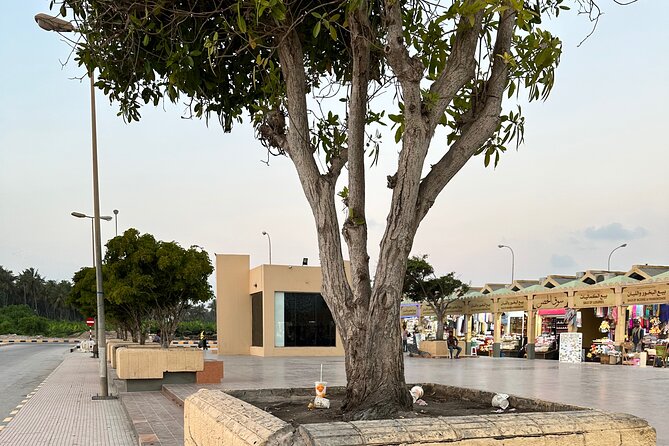
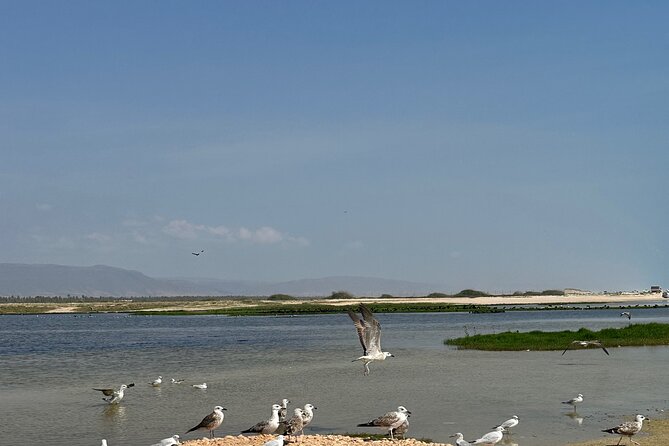
The Museum of the Land of Frankincense at Al Baleed is the strongest historical stop on the route. Al Baleed is a UNESCO World Heritage site, and the museum places Dhofar’s frankincense trade into a wider Omani story.
This is where the tour moves beyond modern Salalah. You can learn about the development of Oman, the difference between older and modern Oman, and the role of trade in shaping the region. The nearby archaeological site adds physical evidence to the museum material.
I would allow your guide’s interpretation to lead you, then spend your free time looking at the displays that interest you most. A strong guide can connect objects, trade routes, local traditions, and the city you have just been driving through.
The visit may still feel short. One account described some museum time but said the guide encouraged the return journey after only a few minutes of independent viewing. Another guide leading a larger group was seen giving a longer explanation, which highlights an important point: the quality and pace of the guide can shape the experience as much as the stops themselves.
If you are especially interested in archaeology, ask whether the schedule allows enough time for both the museum and the Al Baleed site. The tour includes both in its plan, but a half-day outing cannot provide the same attention as a dedicated archaeological visit.
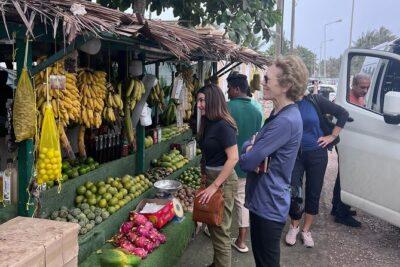
Salalah’s Fruit Market And The Coconut Break
The fruit market provides a welcome change from formal sights and historical displays. Salalah is known for its plantations and tropical produce, and the route may pass fruit shops and plantation areas before returning to your hotel.
The included coconut drink is a small detail, but it gives the tour a local, everyday finish. You are not only looking at monuments. You are tasting something connected to the agricultural side of Dhofar.
The information also refers to Ain Razat and beautiful fruit plantations. Since the route is compact, the plantation portion may be a drive-through view rather than a long walk or farm visit. Think of it as a look at the green, productive side of Salalah, not a separate plantation excursion.
One account described the coconut stop as a very simple setting behind a modest structure. That may sound less polished than a formal café, but it can also be part of the appeal. You are stopping for a local drink, not a staged food presentation.
Expect the coconut drink to be a pleasant extra rather than the main reason to book. The historical sites and guide commentary carry most of the tour’s value.
Vehicles, Transfers, And The Pace Of The Morning
The tour promises newer vehicle models with comfort features, along with hotel pickup and return. The provided information does not specify the exact vehicle, group size, or pickup schedule, so I would confirm those details before paying if they matter to you.
The route involves several separate drives. You may spend around an hour in total traveling to and from your hotel, depending on where you are staying and local traffic. One account described about two and a half hours of sightseeing plus an hour of transfers.
That timing is important. The experience is marketed as half-day, but the actual sightseeing portion may be closer to a compact morning than a full four-hour guided program. You will see many places, but you may not spend long at each one.
The small-group feel can be a benefit. One booking was described as having only two participants plus the driver, which allowed a more private outing. On the other hand, a small group does not automatically guarantee a long or detailed tour. The guide’s pace still matters.
Guides named Amin, Salem, and Rashid received especially strong praise for friendliness, local knowledge, clear English, and careful answers. The English standard appears to be a strength of the experience, but guide assignments can change. That is why I would judge the tour as guide-dependent rather than assuming every departure will feel identical.
What The Price Means In Practical Terms
At $104 per person, this tour is aimed at people who value convenience and explanation over the lowest possible cost. You receive transportation, an English-speaking local guide, several major Salalah stops, the mosque visit when operating hours allow, and a coconut drink.
The price is easier to defend for a private or very small group. You are paying for a driver, vehicle, planning, and local context, not just entry to a museum. It can also be useful if you are in Salalah briefly and want to cover the city’s main cultural points without negotiating taxis or working out the route yourself.
The value is weaker if you prefer to explore slowly and independently. You may be able to spend longer at the souq or museum on your own, and a short stop can leave you feeling that you saw the sights without fully experiencing them.
The mixed feedback makes the choice clear. Several accounts describe excellent guides who answered every question and gave careful explanations. One account found the tour too short for the price, with free-time periods and a rushed museum visit. I would book it for structure, transport, and a good guide, not because it offers lengthy visits at every location.
Who Will Get The Most From This Tour
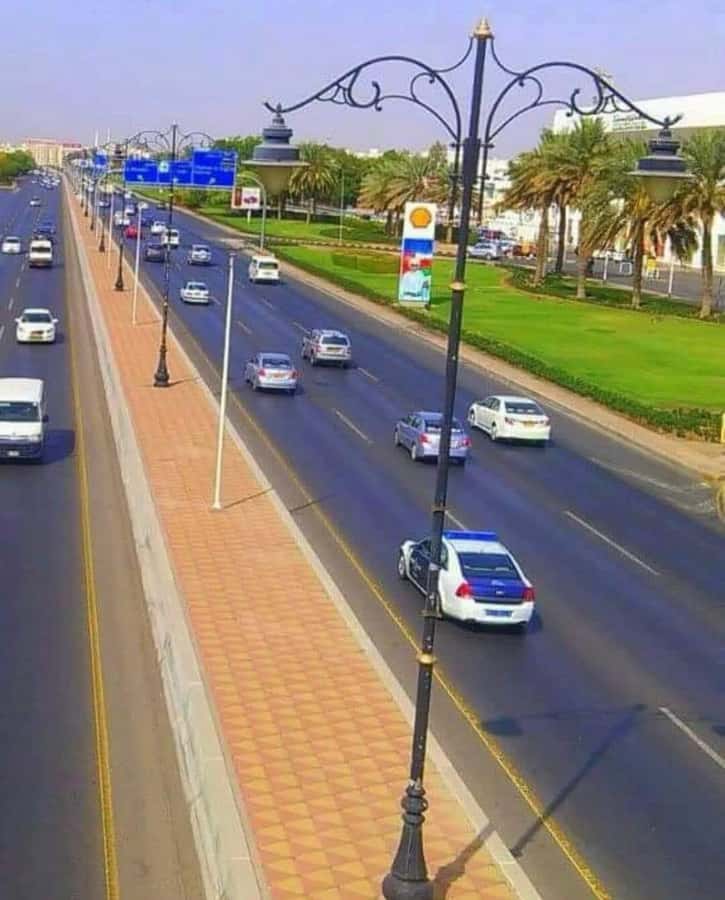
I think this outing suits first-time visitors to Salalah, cruise or short-stay visitors, couples who want a simple cultural morning, and anyone who prefers an arranged route with local commentary.
It is also a good fit if you want to understand why frankincense matters before shopping for it. Seeing the souq after learning about Al Baleed gives the market more meaning than simply walking past stalls.
Families may appreciate the mix of short stops, vehicle time, shopping, museum displays, and a coconut drink. The mosque rules require careful clothing planning, especially for children and anyone arriving in warm-weather clothes.
You may want another option if you are an archaeology specialist, a serious shopper, or someone who dislikes fixed schedules. The experience covers many points, but the pace can be brisk and the time at each stop may vary.
Practical Tips Before You Go
Bring the right clothing from the hotel. A scarf, long sleeves, and long pants are essential for women entering the mosque, while men must also avoid shorts and wear suitable covered clothing.
Try to schedule the tour on a day when the mosque is open, and remember that Friday is excluded. The visiting window is only 8:30 to 11:00, so a late start could affect this part of the route.
Keep your expectations realistic at the palace. It is an outside photo stop, not an interior tour.
At the souq, ask how much free time you have before browsing. If you want to buy frankincense or handmade gifts, use the guide’s local advice and avoid spending the entire stop at the first stall.
At the museum, pay attention during the guided explanation but also protect a few minutes for your own viewing. If historical sites are your priority, tell the guide early so the schedule can be balanced where possible.
Booking can remain flexible because you can reserve now and pay later, and cancellation is allowed up to 24 hours in advance for a full refund. English is the stated tour language.
Should You Book The Historical Salalah City Tour?
Book it if you want a well-organized first look at Salalah and value a local guide who can explain religion, royal history, frankincense, and everyday life in one morning. The strongest reports praise guides such as Amin, Salem, and Rashid for clear English, patience, and useful local detail.
Think twice if you expect a long, leisurely half-day with generous time at each location. The route is broad, and the sightseeing time may be shorter than the label suggests. At $104 per person, I would book only after confirming the pickup time, group size, and expected time at Al Baleed and the souq.
For most first-time visitors, it is a sensible orientation tour. Just bring proper mosque clothing, keep your shopping expectations modest, and remember that the guide you receive will have a large effect on the day.
FAQ
How long does the Historical Salalah City Tour last?
It is described as a half-day tour. One account recorded about two and a half hours of sightseeing plus roughly one hour of hotel transfers, so the exact duration may depend on the route and pickup location.
What is the price of the tour?
The listed price is $104 per person.
Which language is available?
The tour is offered in English with a local English-speaking guide.
Is Sultan Qaboos Mosque open every day?
No. It is open from Saturday through Thursday, from 8:30 to 11:00, and closed on Fridays.
What should women wear for the mosque visit?
Women should bring a scarf and wear long sleeves and long pants. Full coverage is required, and shorts, short skirts, tight clothing, and see-through clothing are not allowed.
Can you enter Sultan Qaboos Palace?
No. The palace visit is from outside and is intended as a photo stop.
What is included at the fruit market?
The tour includes a free coconut drink at Salalah’s fruit market.
Can you cancel the tour for a full refund?
Yes. Cancellation up to 24 hours in advance is allowed for a full refund. You can also reserve and pay later.
Just added around Salalah
- Salalah East Adventure: Waterfalls, Mountain & Safari★ 5.0 · 3 reviews
- Salalah East Tour (Full Day Tour)★ 5.0 · 3 reviews
- West Coast Mountains and Beaches (Fazayah beach + Shaat cliff)★ 5.0 · 3 reviews
- Salalah: Horse Riding by the Beach★ 4.4 · 3 reviews
- Half day Salalah City Tour with Souq Visit★ 5.0 · 3 reviews
- Salalah: Wadi Darbat, ,Teeq Cave – Baobou Trees Tour★ 4.3 · 3 reviews
- Jebel Safari – Tour della montagna★ 5.0 · 3 reviews
- Empty Quarter & Lost City from Salalah★ 5.0 · 3 reviews
Historical Tours, compared.
Nizwa Heritage & Culture Full Day Tour with Audio Guiding
Read our review →
Private Historical Tour – Nizwa Fort – Nizwa Souq – Bahla Fort – Jabreen Castle
Read our review →
Salalah City Tour with History, Culture, Souq Shopping, Halwa
Read our review →
Nizwa Heritage & Jebel Shams Canyon – Private Tour from Muscat
Read our review →
Historical Salalah City Tour with Culture, Food & Shopping
Read our review →Browse the lists this tour appears in