
Reviewed · 5-DAY EXPERIENCES
Oman Explorer: City, Wadis, and Desert 5-Day Adventure
Oman rewards curious detours. This five-day route packs Muscat’s grand buildings, the turquoise pools of Wadi Shab and Wadi Bani Khalid, a night in Wahiba Sands, and the old cities of Sur and Nizwa into one well-organized trip. I like the mix of big cultural sights and outdoor time, and the included hotels, breakfasts, dinners, lunches, and air-conditioned transport make the $850 price easier to understand.
I also like the airport pickup and the chance to see far more of Oman than you could manage from Muscat alone. The main caution is pace: this is a full program with long drives, early starts, swimming, walking, and a desert overnight. Also, the information gives both a five-day, four-night schedule and a reference to a seven-night private tour, so confirm the exact dates and number of nights before paying.
In This Review
- Five details that shape the experience
- Why this route works for a first look at Oman
- Arrival in Muscat: an easy first step
- Muscat in one day: mosques, music, markets, and museums
- Bimmah Sinkhole and Wadi Shab: the most active day
- Ras Al Jinz: a memorable evening with a strict purpose
- Sur and Wadi Bani Khalid: from wooden dhows to clear pools
- Wahiba Sands: the trip’s signature night
- Nizwa and Al Hamra: strong finish, long day
- Guides, vehicles, and the personal touch
- Who will enjoy this tour most?
- Should you book Oman Explorer?
- FAQ
- How long is the Oman Explorer experience?
- Is airport pickup included?
- Are meals included?
- Are entrance fees included?
- How large can the group be?
- Can I cancel for a full refund?
Five details that shape the experience
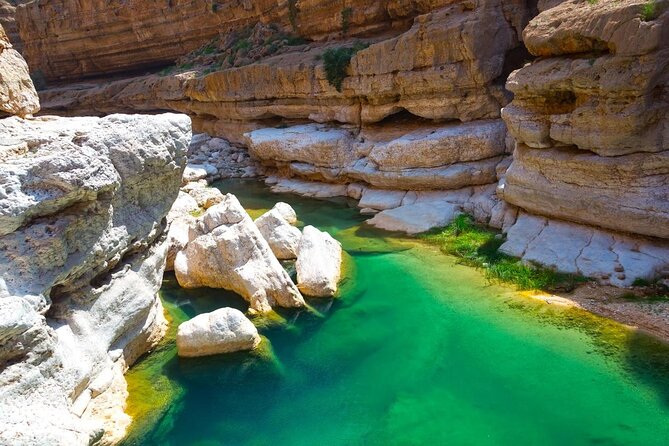
- Wadi Shab takes about three hours: You should allow time for walking, natural pools, and the famous cave swim.
- Wahiba Sands includes an overnight camp: Sunset, dinner, a campfire, and a night in the desert are central parts of the route.
- Muscat gets a proper cultural day: The Grand Mosque, Royal Opera House, Mutrah Souq, Bait Al Zubair, and Al Alam Palace each show a different side of the capital.
- The guide can matter as much as the route: Aziz and Ilyas received especially warm praise for local stories, care, and flexibility.
- The price covers much of the practical work: Hotels, meals, breakfast, an air-conditioned vehicle, taxes, and airport transfer are included, but entrance fees are not.
- The group may reach 15 people: The tour is described as private, yet the stated maximum is 15. Ask how your booking will be operated.
Why this route works for a first look at Oman
Oman is not a country you see well from one city hotel. Muscat gives you mosques, museums, markets, and sea views, but the country’s character changes once you head out toward the coast, the wadis, the desert, and the Hajar Mountains.
This tour makes that contrast the main event. You move from polished Muscat to the fishing and shipbuilding traditions of Sur, then to freshwater pools and orange dunes. The final day brings you to Nizwa and Al Hamra, where old forts, markets, and village customs provide a useful counterpoint to the modern capital.
I find the route appealing because it avoids making the trip only about monuments. You get architecture and museums, but also swimming, hiking, desert scenery, and a turtle reserve. That range suits you if this is your first visit and you want a broad introduction rather than a slow stay in one region.
The cost is $850 per person. That is not a bargain-basement day tour, but it covers four hotel nights, four breakfasts, four dinners, three stated lunches, transport, airport pickup, taxes, and the services of a guide. The highlights also mention four lunches, while the detailed inclusions list three, so ask for a written confirmation of the meals.
A few more trips and experiences worth a look
- 5 Days – 4 Nights Private Roundtrip Tours – Fatimah Tours
★ 5.0 · 43 reviews - 5 Days 6 Nights Private Tour in Oman
★ 5.0 · 29 reviews - 5 Days 4 Nights Oman Package Tour Mohammed
★ 5.0 · 23 reviews
Arrival in Muscat: an easy first step
Your first service is a transfer from Muscat International Airport to your hotel. It lasts about 30 minutes and includes admission, which simply means the transport is part of the package rather than a separate airport expense.
That transfer has practical value after a flight. You do not need to arrange a taxi or work out the hotel journey while tired. You can begin noticing Muscat’s modern buildings, traditional design, mountains, and dry terrain from the vehicle window.
The tour includes an air-conditioned vehicle with WiFi. That matters in Oman, where road time can be a major part of a multi-region trip. The vehicle gives you a cool place to rest between stops, though WiFi quality is not described, so treat it as a useful extra rather than a guarantee of constant service.
Muscat in one day: mosques, music, markets, and museums
The Sultan Qaboos Grand Mosque is the natural first stop. You get about an hour to see its prayer halls, mosaics, gardens, large hand-woven carpet, and striking chandelier. The visit is free, but you should treat it as a religious site first and a photo stop second.
The mosque helps explain Oman’s public style: carefully made, spacious, and strongly connected to Islamic tradition. This is one of the day’s most important stops, so make sure you know any clothing or visiting rules before arrival. The supplied details do not give specific dress requirements or visiting hours.
Next comes the Royal Opera House Muscat, with about 40 minutes inside or around the complex. Its design combines traditional Omani elements with modern performance spaces, and it hosts opera, ballet, classical music, and local arts.
Admission is not included. That means you should ask whether the tour includes a guided interior visit or only an exterior look, and what the current entry charge will be. Forty minutes is enough for a quick architectural visit, but not for a performance.
Mutrah Corniche and Mutrah Souq offer a change of mood. You can walk beside the Gulf of Oman, watch for traditional dhows, and then enter narrow market lanes filled with spices, textiles, silverware, antiques, and souvenirs.
You get about an hour here. That is enough to sample the atmosphere and shop, but not enough for a leisurely browse through every section. If you want Omani silver, clothing, or household items, decide early whether shopping matters to you. A group schedule can make casual bargaining feel rushed.
Bait Al Zubair Museum gives the day more context. The museum occupies a restored traditional Omani house and displays weapons, jewelry, costumes, household objects, art, and photographs. I like this stop because it gives you a way to understand what you have been seeing in the market and around the city.
Admission is not included. One hour should give you a solid visit, although anyone who enjoys museums may want more time.
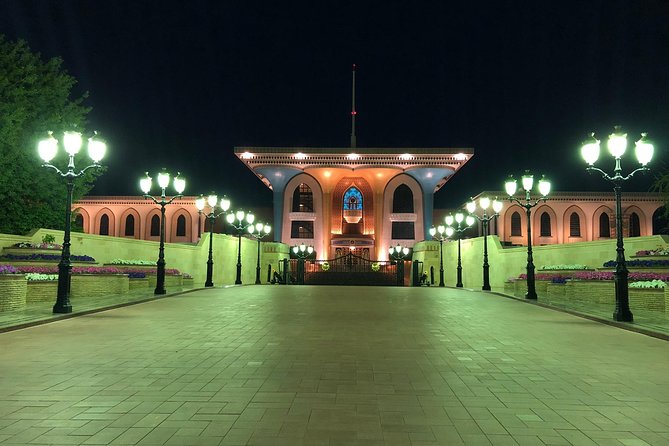
The final Muscat stop is Al Alam Palace. You cannot enter the palace, but you can see the colorful facade and manicured grounds from the gates. Its position between Al Jalali and Al Mirani forts makes the short 15-minute stop worthwhile as part of a historic district loop, though it is not a major stand-alone attraction.
Bimmah Sinkhole and Wadi Shab: the most active day
Day three begins at Bimmah Sinkhole, a limestone crater filled with turquoise water inside Hawiyat Najm Park. You get roughly 30 minutes, enough to look around, take photographs, and possibly swim if conditions and timing allow.
This is a compact stop, not a full excursion. The open water and rocky setting make it a pleasant start, but do not expect a long stay or a guided geology lesson from the information provided.
Wadi Shab is the day’s main physical challenge. Plan for about three hours among cliffs, date palms, walking trails, natural pools, and a cave waterfall reached by swimming through a narrow opening.
You need to be comfortable with walking and water activity to get the most from this stop. The tour information does not specify trail conditions, boat arrangements, or equipment, and admission is not included. Ask what you need to bring, especially swimwear, shoes suitable for uneven ground, and a dry way to protect valuables.
The time allowance is sensible for an introduction, but the schedule may feel tight if you want to move slowly, swim for long periods, or stop often for photos. Wadi Shab is not just a roadside viewpoint. It asks you to take part.
Something different, still within reach of Muscat:
- Muscat: Daymaniat Islands Snorkeling Trip with Brunch
★ 4.7 · 2,317 reviews - From Muscat: Wadi Shab & Bimmah Sinkhole Full-Day Tour
★ 4.8 · 1,862 reviews - Muscat: Wahiba Desert and Wadi Bani Khalid Guided Group Tour
★ 4.8 · 820 reviews - Muscat: Half-Day Sightseeing Essentials Tour and Audio Guide
★ 4.2 · 598 reviews
Ras Al Jinz: a memorable evening with a strict purpose

The Ras Al Jinz Turtle Reserve gives you an evening visit of about one hour. The goal is to see green turtles come ashore to lay eggs and to learn about the reserve’s conservation work.
This is a special experience because it depends on wildlife behavior, not a fixed show. You may have a memorable sighting, but nature does not run on a tour timetable. The reserve visit is not included in the listed admission package, so confirm the entry cost and the exact arrangement.
Keep your expectations respectful. The turtles are the reason for the visit, not a photo prop. The value here lies in seeing a protected nesting site and understanding why quiet, careful behavior matters.
Sur and Wadi Bani Khalid: from wooden dhows to clear pools
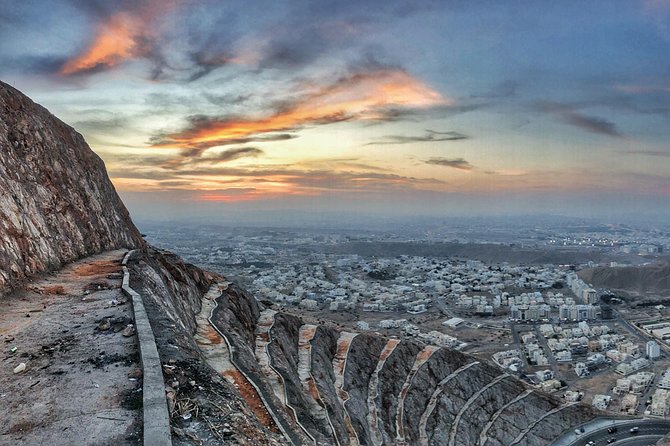
Sur’s maritime stop focuses on traditional dhow building. In about 30 minutes, you can watch craftsmen shape and assemble wooden boats using methods passed through generations.
The description calls this location the Sur Maritime Museum, while the detailed stop describes a dhow factory. That wording is worth clarifying before the tour, since a working shipyard and a formal museum offer different experiences. Either way, it connects Sur to Oman’s seafaring and trading past in a direct, hands-on way.
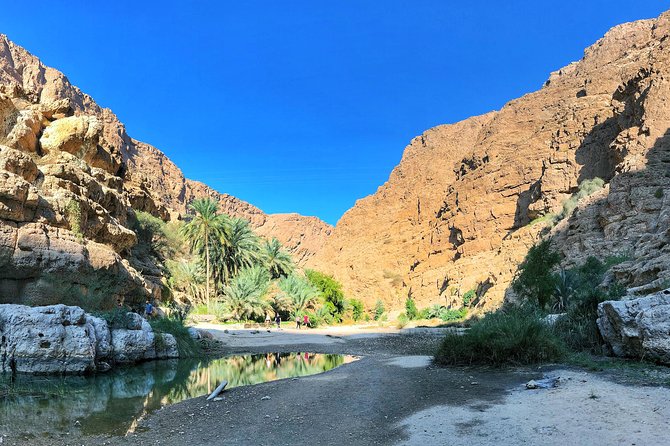
Wadi Bani Khalid then changes the setting completely. This oasis has clear pools, palms, rugged mountains, trails, caves, and waterfalls. You get about one hour, enough for a swim and a short look around, but not a long exploration.
Bring suitable clothing if you plan to enter the water. The schedule places this visit before the desert, so you will want to manage your energy. Wadi Bani Khalid is easier to enjoy if you accept that this is a sample rather than a full-day stay.
Wahiba Sands: the trip’s signature night
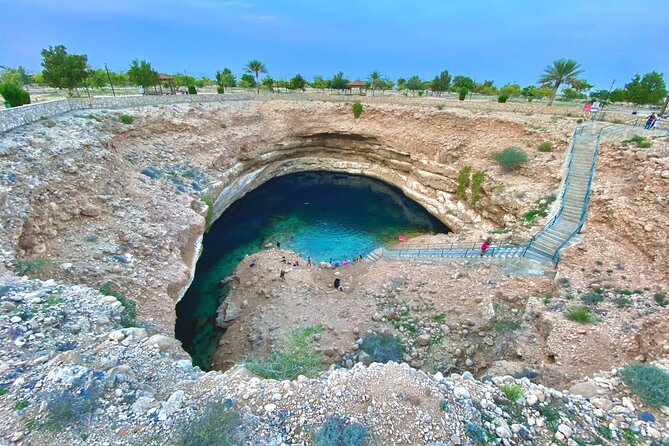
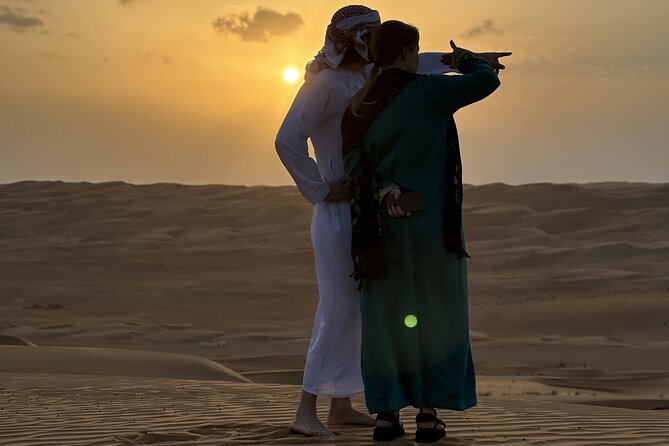
The overnight in Wahiba Sands lasts about 12 hours. You travel into the dunes, watch the colors shift at sunset, eat a traditional Omani dinner, sit near a campfire, and sleep in a Bedouin-style camp with modern comforts.
This is the emotional high point of the route for many people. After the city visits and active wadis, the silence and wide open desert give the trip breathing room. You will also get a much stronger sense of Oman’s geography by sleeping among the dunes rather than merely driving past them.
The camp description does not specify the exact standard of the accommodation, bathroom facilities, or optional activities. Ask those questions if comfort is important to you. The phrase modern comforts covers a lot of ground.
The supplied experience details also show that the operator has adjusted private itineraries for individual preferences. One arrangement included two nights in the desert and two nights in the mountains, and special food needs such as gluten-free meals were handled. That does not mean those changes are part of this standard route, but it is a useful sign that you should ask about modifications.
Nizwa and Al Hamra: strong finish, long day

The final day begins at Nizwa Souq. You get an hour to see sections devoted to produce, spices, silver jewelry, pottery, and other local goods. This is a better place to connect shopping with daily life than a purely souvenir-focused market.
Nizwa Fort follows. Built in the 17th century, it includes rooms, corridors, exhibitions, and high points with views over the city and mountains. The fort is not merely a photo stop. Give yourself time to understand how its design served defense and government.
Admission is not included, so budget for the entry fee. One hour is a reasonable first visit, though you may want longer if you enjoy historic buildings.
At Al Hamra, Bait Al Safah presents traditional village life through demonstrations of bread-making, oil extraction, and craftwork. This is one of the route’s most human stops because it shows skills and routines rather than only grand buildings.
The tour then transfers you back to Muscat. That return makes the final day a long one, especially after the desert night and several stops. You should be ready for substantial road time and avoid scheduling an important flight too close to the stated end unless the operator confirms the timing.
Guides, vehicles, and the personal touch
The strongest praise attached to this experience focuses on guiding. Aziz was praised for careful service and for helping shape a private route around personal requests. Ilyas received exceptional praise for local stories and for keeping the days and nights full of information beyond the usual printed facts.
Another account describes a clean Toyota 4×4 used for long days on the road. The exact vehicle for your booking is not guaranteed, but that detail gives you a useful question to ask, especially if your group needs extra luggage space.
The tour allows a maximum of 15 people, while the experience is also described as private. Those terms can mean different things in practice. You should confirm if your party gets its own vehicle and guide, or if a private booking can still operate within a larger capacity limit.
Who will enjoy this tour most?
I would choose this route if you want a broad first visit to Oman and prefer having the major transport, hotels, and meals arranged. It suits you if you enjoy switching between museums, markets, short walks, swimming spots, desert scenery, and historic buildings.
It is also a good fit if you value a guide who can explain local customs and adjust details when possible. The praise for Aziz and Ilyas suggests that the human side of the tour can be a major part of its success.
I would hesitate if you want slow mornings, long museum visits, or several nights in each place. Wadi Shab requires physical participation, the desert night may be basic compared with a city hotel, and the schedule leaves little room for spontaneous detours.
Before booking, confirm four points: the number of nights, the exact lunch count, which entrance fees you will pay, and whether the vehicle and guide are fully private. Most people can participate, but the operator also requires suitable weather and a minimum number of bookings.
Should you book Oman Explorer?
Book it if you want Oman’s main contrasts in a compact package: Muscat’s architecture, Sur’s boats, freshwater wadis, desert camp life, Nizwa’s fort, and Al Hamra’s village traditions. At $850, the included lodging, meals, vehicle, airport transfer, and guide can offer fair value, especially when compared with arranging each long journey yourself.
Skip it if your ideal holiday is slow and flexible. This schedule is active and ambitious, but that is also its strength. With the timing and inclusions confirmed in writing, it is a practical way to get a first, varied look at Oman.
FAQ
How long is the Oman Explorer experience?
The stated duration is approximately five days, with four hotel nights included. Another description refers to a seven-night private tour, so confirm the exact length of your booking before departure.
Is airport pickup included?
Yes. Airport transfer service from Muscat International Airport is included, and the listed transfer takes about 30 minutes.
Are meals included?
The inclusions list four dinners, three lunches, and four breakfasts. The highlights refer to four lunches, so ask the operator to confirm the exact lunch allowance for your dates.
Are entrance fees included?
No. Several stops, including the Royal Opera House, Bait Al Zubair, Wadi Shab, Ras Al Jinz Turtle Reserve, the Sur maritime stop, Nizwa Fort, and Bait Al Safah, are listed without included admission.
How large can the group be?
The maximum stated group size is 15 people. The experience is also described as private, so confirm whether your booking has a dedicated vehicle and guide.
Can I cancel for a full refund?
You can cancel at least 24 hours before the experience starts for a full refund. Cancellations or changes made less than 24 hours in advance are not accepted for a refund, and poor weather or insufficient bookings may lead to a new date, an alternative experience, or a full refund.
Just added around Muscat
- WADI SHAB – Muscat, Oman★ 5.0 · 3 reviews
- Private Transfer from Muscat to Wahiba Sand Desert by 4WD Vehicle★ 5.0 · 3 reviews
- Private Transfer from Muscat to Jebel Akhdar by 4WD Car★ 5.0 · 3 reviews
- Dimaniyat Islands Snorkeling Trip★ 5.0 · 3 reviews
- Dolphin Watching and Snorkeling Tour with Hotel Transfers★ 4.4 · 3 reviews
- Muscat trasfer: airport trasfer to/from hotel in muscat★ 5.0 · 3 reviews
- Tour Jawahir 2 Days-1 Night In Wahiba Sands, Oman Tours Package★ 5.0 · 3 reviews
- Airport to Hotel Private Transfer in Muscat★ 5.0 · 3 reviews
5-Day Experiences, compared.
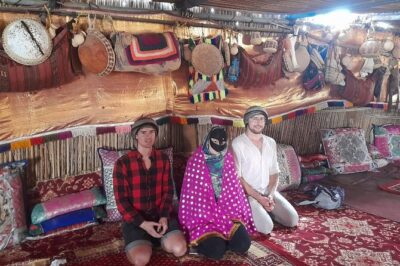
5 Days – 4 Nights Private Roundtrip Tours – Fatimah Tours
Read our review →




Browse the lists this tour appears in