
Reviewed · JEBEL AKHDAR TOURS
From Jebel Akhdar: Al Aqur Village Cultural Cart Tour
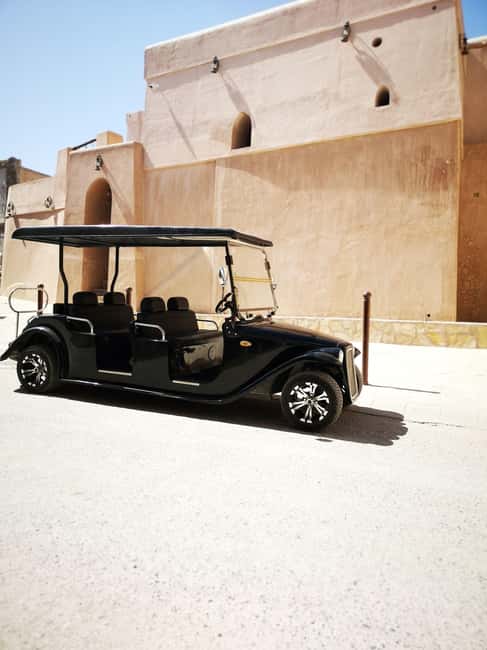
Old Oman is best seen slowly. This short cart ride through Al Aqur village gives you a close look at heritage houses, old mosques, and local customs without requiring a long walk. I like the open-sided classic cart, which keeps the ride easy and gives you clear views for photographs. I also like the small group limit of five people, since it leaves room for questions.
The main drawback is the tour length. At about 35 to 40 minutes, it offers a useful introduction rather than a full day of historical exploration. You should also plan around prayer times if you hope to enter the ancient mosques, since access during prayer hours is reserved for Muslims.
In This Review
- Key points about this Al Aqur experience
- Arriving in Al Aqur near Nizwa
- Riding through an old village by classic cart
- Exploring Al Aqur’s heritage houses
- Understanding the village irrigation system
- Visiting the ancient mosques respectfully
- Stories of civil wars and Omani scholars
- What the 35 to 40 minutes feel like
- Is $19 a fair price?
- Who will enjoy this cart tour most?
- Practical advice before you book
- Should you book the Al Aqur cart tour?
- FAQ
- How long does the Al Aqur Village Cultural Cart Tour last?
- How much does the tour cost?
- What languages does the guide speak?
- How many people can join the tour?
- Is the tour suitable for children and older adults?
- Can I take photographs during the tour?
- Can I enter the ancient mosques?
- Are wheelchairs and baby strollers permitted?
- What should I bring?
- Can I cancel the booking?
Key points about this Al Aqur experience
- A short route through one of Nizwa’s oldest villages: Al Aqur has endured civil wars and preserves a strong sense of Oman’s earlier village life.
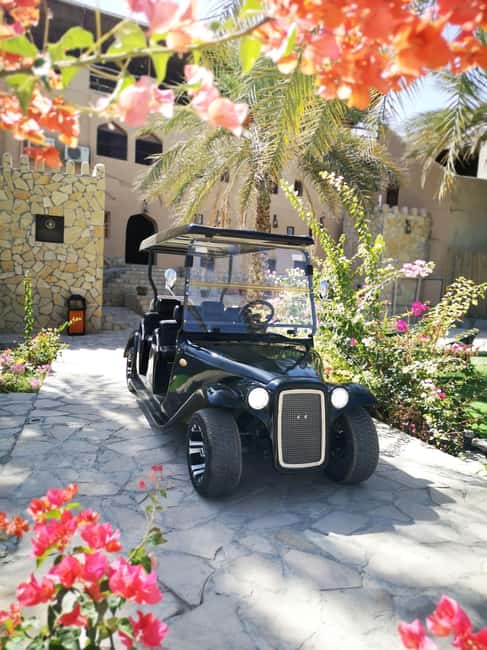
- A classic open-door cart: You can see the old houses and streets without the effort of a long walking tour.
- An English and Arabic-speaking guide: The guide explains customs, architecture, famous Omani scholars, and the village irrigation system.
- A small group of no more than five: This is a good setup for asking questions at each stopping point.
- Good for all ages: No special fitness level is required, and there is space to leave strollers, wheelchairs, and other belongings.
- A practical $19 introduction: The price is reasonable if you want context and a quick cultural visit rather than a lengthy historical tour.
Arriving in Al Aqur near Nizwa
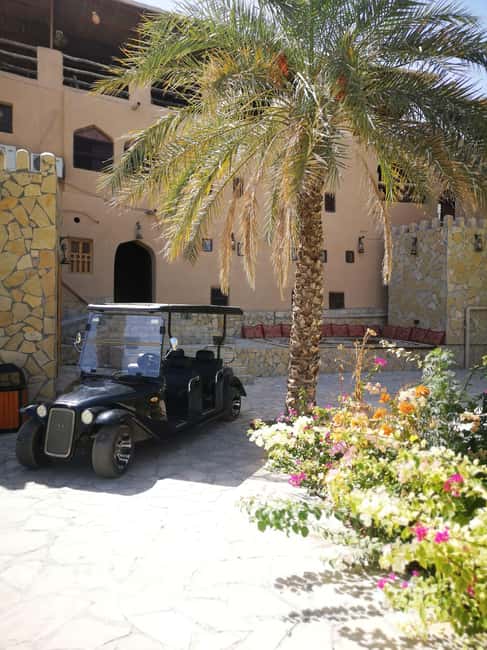
Al Aqur is a historic village in Oman’s Ad Dakhiliyah Governorate, within the wider Nizwa area. The experience focuses on the village itself, not on a long transfer or a large sightseeing circuit, so you spend your short tour looking at local architecture and learning how people lived.
You need to arrive at the meeting point at least 15 minutes before departure. The exact meeting point should be checked when you book, since private transfer to the meeting point is available for an additional fee if you prefer not to arrange that part yourself.
The tour is limited to five participants. That matters here. Old village streets and compact heritage sites are easier to appreciate when you are not trying to hear a guide over a large crowd. With a small group, you can ask about a doorway, a wall, a mosque, or a custom while the information is still in front of you.
The ride is also open-door, giving you a better view than a closed vehicle. Bring a hat and sunscreen, and wear steady shoes. You are seated for much of the experience, but you may still step out at stopping points or walk over uneven ground.
More Jebel Akhdar trips:
- Jabal Akhdar camping tour
★ 5.0 · 3 reviews - From Muscat: Nizwa and Jebel Akhdar Tour with Lunch
★ 4.8 · 319 reviews - Full Day Private Nizwa/Jebel Akhdar
★ 5.0 · 205 reviews
Riding through an old village by classic cart
The cart is the central feature of the tour. It provides a gentle sightseeing route through Al Aqur while keeping the visit accessible to people who would rather not walk for 40 minutes in the sun.
I like this format because it fits the character of the village. A modern bus would feel too detached from the old houses and narrow routes. The classic cart gives the outing a slower pace and leaves you looking outward instead of down at a map or a phone.
The open design also helps with photographs. You can take pictures during the ride and at the stopping points, though you should pay attention to local customs. Oman is welcoming, but private homes, people, and religious places still deserve care and respect when you raise a camera.
There is no stated special requirement for taking the ride. It is suitable for all ages, and a place is available for baby strollers, wheelchairs, and other belongings if needed. Since the route includes heritage areas, steady shoes remain a sensible choice even though the activity itself is not physically demanding.
Exploring Al Aqur’s heritage houses
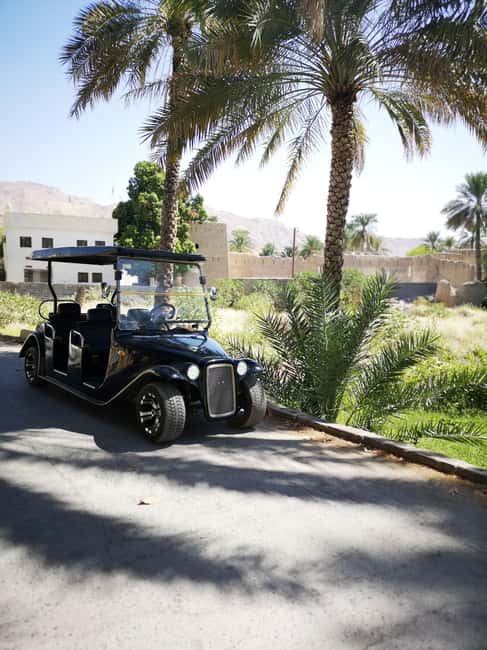
The old houses are likely to be the most memorable part of the route. The value is not just in seeing aged walls. The guide helps you read the buildings, pointing out details of Omani architecture and explaining how the houses relate to earlier daily life.
You may notice that village architecture says a great deal about family life, privacy, climate, and community. The supplied information does not list the name or history of every individual house, so you should think of this as a guided overview rather than a house-by-house museum visit.
That distinction helps set expectations. You will not be spending hours inside restored rooms with large displays. Instead, you will see the old structures in their village setting and hear explanations at each stop. For many people, that is a better way to understand the place because the buildings remain connected to the lanes, mosques, gardens, and water systems around them.
The guide also discusses Omani customs and the old way of life. This gives the route more substance than a simple cart ride. If you are curious, ask how people used the buildings, how the village was organized, and which details are linked to local traditions. The experience is designed to be interactive, so questions are part of the visit rather than an interruption.
Understanding the village irrigation system
The irrigation system is another important subject. You are shown or told about the unique way water was managed in the village, an essential part of understanding how communities in Oman supported daily life.
The information provided does not name a specific water channel or explain the engineering in technical detail, so I would not book this expecting a specialist water-management tour. Still, the subject adds real context. Architecture makes more sense when you understand how a village handled one of its most important resources.
The guide explains the system during the route and answers questions at the stopping points. You may find this especially useful if you have already seen Oman’s dry mountain and desert settings. The irrigation story connects the old buildings to practical needs such as gardens, homes, and community life.
This is one of the places where the guide makes the difference. Without explanation, an old channel or water feature can be easy to overlook. With a clear account of its purpose, you begin to see the village as a working community rather than a collection of old walls.
Something different, still within reach of Nizwa:
- Heritage private Tour by classic carts
★ 5.0 · 43 reviews - Old Nizwa authentic walks
★ 5.0 · 21 reviews - Via Ferrata And Zip Line
★ 5.0 · 12 reviews - Balcony Walk of Jebal Shams (Highest Peak of Oman)
★ 5.0 · 12 reviews
Visiting the ancient mosques respectfully
The mosques add a strong religious and historical element to the route. You can view them as part of the village’s heritage, and the guide explains relevant customs and local history.
Entry rules are important. Ancient mosque interiors are open to Muslims during prayer hours only. That means you should not assume that every mosque on the route can be entered, and you should be prepared to appreciate some of them from outside.
This is not a problem if you understand the purpose of the visit. The tour is about seeing the village and learning from its buildings, not collecting entrance stamps. Dress and behavior should be respectful, and photography should follow local customs.
You are free to take pictures in general, but religious sites call for extra care. Ask your guide if you are unsure. That small bit of courtesy will help you enjoy the experience without treating an active place of worship like a backdrop.
Stories of civil wars and Omani scholars
Al Aqur is described as one of the oldest historical villages in the area, with a past shaped by civil wars. That gives the tour a more serious side. You are not simply looking at attractive old buildings. You are learning about a community that experienced conflict, change, and the pressures of preserving life in an important Omani settlement.
The guide also shares information about Nizwa and famous Omani scholars. The tour does not provide a full academic history, but the stories help connect the village to the wider intellectual and religious life of Oman.
I find this kind of local context particularly useful on a short visit. You may not remember every name or date, but you will leave with a clearer sense that Nizwa’s importance comes from more than its fort and market. The village route adds human and community detail to the larger story.
The best approach is to treat the tour as a starting point. Listen for names, customs, and architectural clues that you can follow up on later. The short format gives you a foundation, then leaves you time for other sights in Nizwa or Jebel Akhdar.
What the 35 to 40 minutes feel like
The advertised duration is 40 minutes, while the description places the guided ride at about 35 to 40 minutes. That is enough time for a compact route with several explanations, but it is not enough for a slow visit to every building.
The guide talks at each stopping point and answers questions. One recent experience included extra information shown on an iPad, which added more detail about the culture and history of the city. The use of a tablet is not guaranteed as a formal feature, but it suggests that the guide may have visual material to make the stories clearer.
The pace has been described as calm and well timed. That is important in a short cultural outing. A rushed tour can turn into a list of facts, while a slow and clear explanation gives you time to look around and take photographs.
You should still keep your expectations sensible. If you want long visits inside multiple houses, extended mosque access, or detailed archaeological interpretation, you will need more time elsewhere. This cart tour works best as a compact introduction that helps you understand what you are seeing.
Is $19 a fair price?
At $19 per person, the experience offers reasonable value for a guided 35 to 40 minute visit, especially with a group capped at five people. You are paying for the cart, an English or Arabic-speaking guide, explanations at the stops, and entry to the Al Bustan Inn Garden.
The value depends on what you want from the morning or afternoon. If you only want transportation through the village, $19 may feel high for a short ride. If you want a guide to explain customs, architecture, scholars, and irrigation, the price is easier to justify.
The small-group format is a major part of the value. A private tour would usually cost more, while a large group might be less personal. Here, you have a better chance to ask questions and hear the answers clearly.
The garden entry is included, though the supplied details do not explain how long you can spend there or what the garden contains. Treat it as a useful added stop, not the main reason to book. Items not specifically listed, including food, drinks, and private transfers, are not included.
Who will enjoy this cart tour most?
I would recommend this experience to you if you want a gentle cultural introduction with a local guide. It suits families, older visitors, people using wheelchairs, and anyone who prefers a seated sightseeing option over a long walk.
It is also a good choice if you have limited time in Nizwa. In less than an hour, you can see heritage structures, hear about local customs, and gain a basic understanding of the village’s water system and past.
The tour should appeal to photographers, too. The open cart gives you chances to take pictures, and the old houses and mosques provide plenty of visual detail. Just remember that local customs apply, particularly around people’s privacy and religious places.
You may want something longer if you are a serious history enthusiast. The tour covers several themes, but each one receives only a short explanation. For deeper study, pair it with more time at Nizwa’s other cultural sites.
The experience currently has three verified five-star ratings. The strongest praise centers on the calm explanations, the guide’s broad knowledge, the useful extra information on an iPad, and the generous timing. Those points match the tour’s main strength: it makes a short visit feel informative without becoming hurried.
Practical advice before you book
Reserve a starting time that gives you comfortable daylight and enough margin to arrive 15 minutes early. Since the tour is short, a late arrival can take away a noticeable part of the experience.
Bring sunscreen, a hat, and steady shoes. Smoking is not allowed. Take a camera if you wish, but ask before photographing people or uncertain areas.
The activity offers free cancellation up to 24 hours before the start time, and you can reserve now and pay later. Those terms help if your Jebel Akhdar or Nizwa plans may shift.
Arabic and English are available. If you need a private transfer to the meeting point, contact the provider in advance, since that service costs extra.
Should you book the Al Aqur cart tour?
Book it if you want a short, easy, small-group look at old Nizwa village life with explanations that go beyond the usual photo stop. The $19 price is fair for the guide, cart, small group, and included garden entry.
Skip it if you want a long walking tour, extensive interior access, or a detailed archaeological program. The route is brief, and mosque entry has clear restrictions during prayer hours.
For most people spending time near Jebel Akhdar, this is a sensible add-on. It gives you cultural context, keeps the physical demands low, and leaves plenty of time for other sights. Just arrive early, dress for the sun, and treat the village and its religious places with the respect they deserve.
FAQ
How long does the Al Aqur Village Cultural Cart Tour last?
The tour lasts about 35 to 40 minutes.
How much does the tour cost?
The listed price is $19 per person.
What languages does the guide speak?
The live guide speaks Arabic and English.
How many people can join the tour?
The activity is a small-group experience limited to five participants.
Is the tour suitable for children and older adults?
Yes. The ride is suitable for all ages and has no special requirements.
Can I take photographs during the tour?
Yes, photography is allowed, but you should follow local customs when photographing people and religious places.
Can I enter the ancient mosques?
Entry to the ancient mosques is for Muslims during prayer hours only.
Are wheelchairs and baby strollers permitted?
The experience provides a place for visitors to leave baby strollers, wheelchairs, and other belongings if required.
What should I bring?
Bring sunscreen, a hat, and steady shoes.
Can I cancel the booking?
Yes. You can cancel up to 24 hours in advance for a full refund. You can also reserve now and pay later.
Just added around Nizwa
- Jabal Akhdar camping tour★ 5.0 · 3 reviews
- Half-Day Private Experience in Tanuf Arch★ 5.0 · 3 reviews
- A Mirage In The Mountain★ 5.0 · 3 reviews
- The Lost Village Hike★ 5.0 · 3 reviews
- From Muscat: Nizwa Fort, Souq, falaj & Museum Full Day Tour★ 5.0 · 3 reviews
- From Muscat : Nizwa & jabel alkhdar. Privat tour 4×4★ 5.0 · 4 reviews
- From Muscat: 3-Days Nizwa, Desert, Turtle, Wadi Shab★ 4.7 · 5 reviews
- Amouage & Nizwa Full-Day Tour: Fort, Souq & Barakat Al Mouz★ 5.0 · 7 reviews
Jebel Akhdar Tours, compared.

Nizwa Fort-Nizwa Souq-Birkat Al Mouz-Jebel Akhdar – Private Full Day Tour
Read our review →
AMOUAGE: Full Day Private Trip to Nizwa and Al Jabal Akhdar
Read our review →
Private Day Trip to Nizwa, Jabal Akhdar (Green Mountain) & Birkat Al Moz
Read our review →
Private Nizwa and Jabel Akhdar-Shams with Lunch
Read our review →Browse the lists this tour appears in